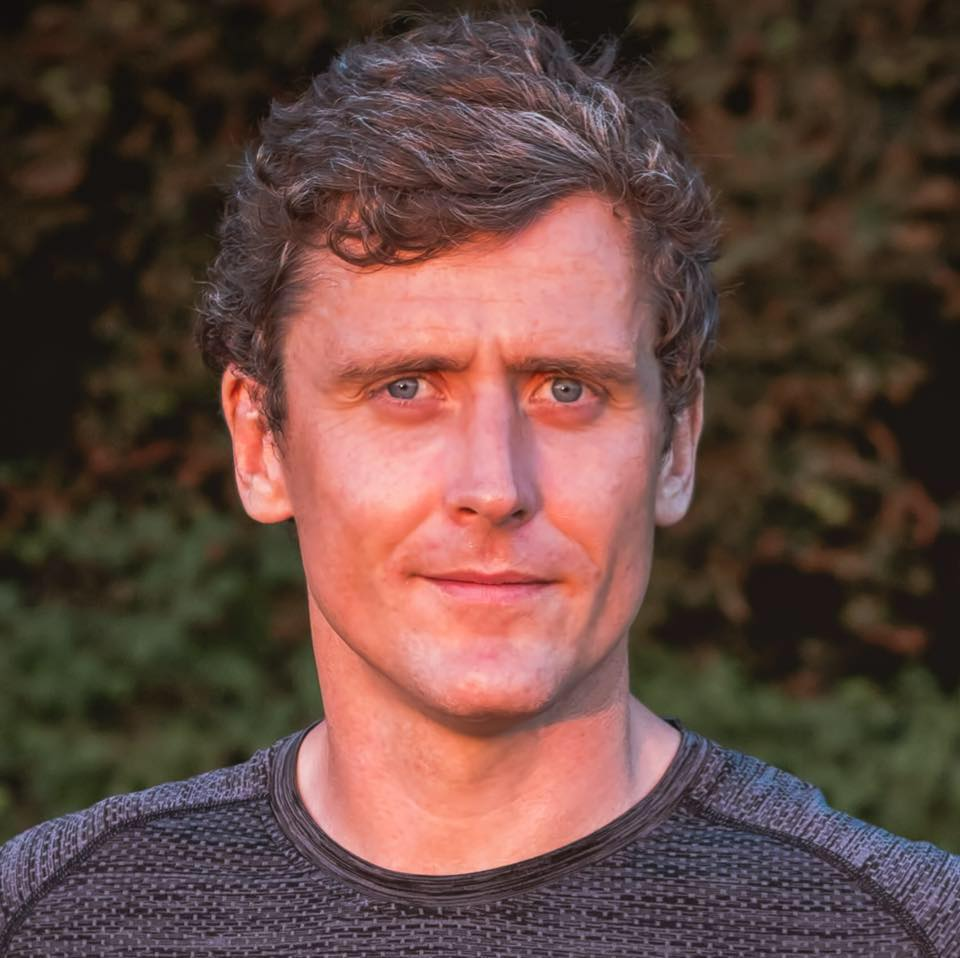
I found it really interesting to hear 2012 Ironman World Champion Pete Jacobs talking about the journey he has been on to perfect his own running form.
In the video above Pete describes the key areas of running technique he's worked on to develop a more efficient way of running.
Some key points from an athlete who is clearly doing a hell of a lot right!
Running Posture
As Pete says 'if you drop your hips back, you slow down a lot'. Running tall with a proud posture and your chest up will help you to maintain alignment. As soon as you slump forwards in your posture, you'll start dropping your hips back - sticking your butt out!
Holding your posture tall encourages you to hold your hips over the landing foot, leading to a lighter, quicker contact on the ground.
Foot Contact
Pete recommends a very flat midfoot strike, with the heel and ball of the foot striking the ground in unison, with more weight being put through the ball of the foot.
This is a great option for so many distance runners, far less agressive that the forefoot strike many attempt to achieve. Of course, appropriate foot strike pattern will vary from runner to runner, and even within an individual from pace to pace. Experiment on your runs!
Cadence & Arm Carriage
So frequently overlooked is the inherent link between the rhythm of the upper body and that of the legs.
Once you've perfected the relatively simple action of the arm swinging back and forth, independent of the torso, the rhythm of this movement will directly influence leg speed (running cadence).
"If your arms hang low and move slow, your cadence will be slow also"
Keeping a relatively short, fairly choppy arm carriage at marathon pace will keep your legs turning over quickly and efficiently.
Relaxation
Pete recommends to focus on remaining relaxed, and removing feelings of tension through muscles that 'don't need to be working'. As long as your core is strong and switched on, everything else will 'find it's place more easily'.