To strengthen the sartorius muscle, you need to train the combined movements of hip flexion, abduction, and external rotation. Resistance band exercises allow you to work the sartorius muscle through its range of movement, and build strength.
In a previous article, I published a video showing a great sartorius stretch for runners. If you haven't seen it yet, then here's the link:

How to stretch the sartorius muscle <- Click the link to try the exercise!
It's worth remembering though, that one of the common causes of muscular tightness, is actually weakness.
Therefore, if you know you have a tendency to get tight through the sartorius muscle, it would probably be worth you spending time strengthening as well as stretching.
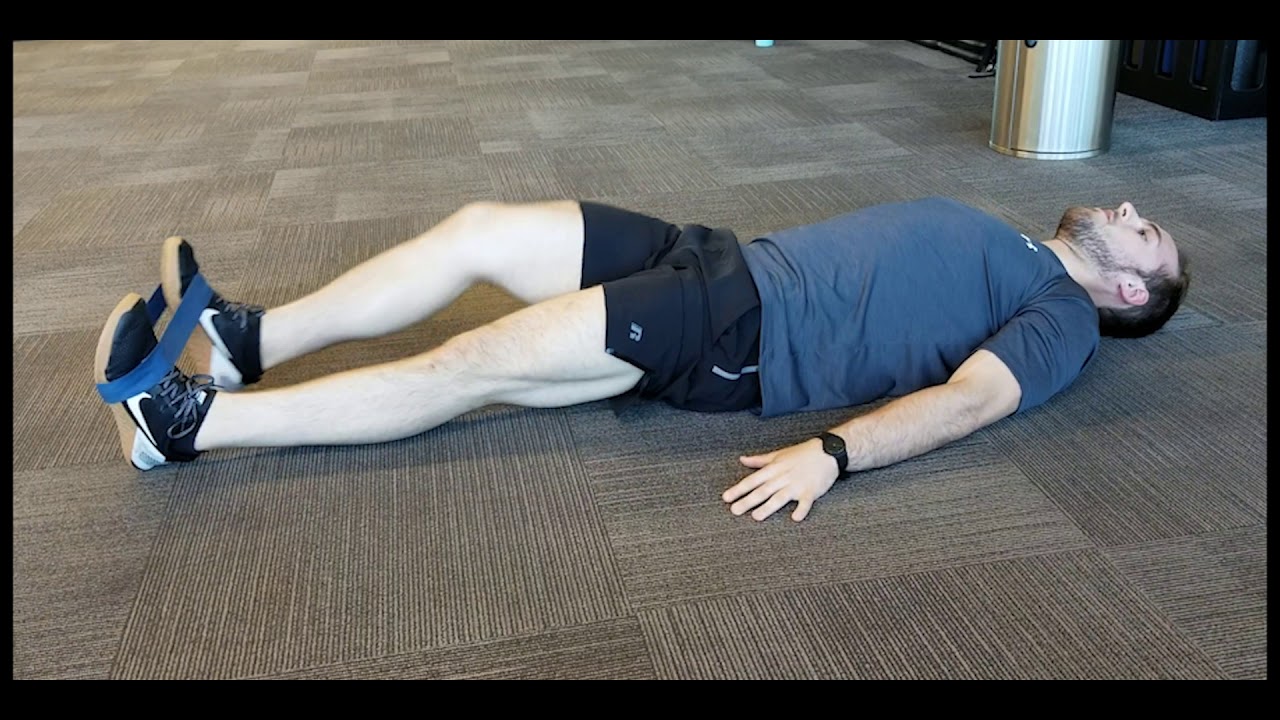
Build strength after a sartorius muscle strain
As part of the rehab process after a sartorius muscle strain, try the simple resistance band exercise featured in the video above.
This exercise is more of an isolation exercise, targeting sartorius, but of course it's important to remember that muscles work together, not in isolation. So feel free to use this targeted exercise as part of your rehab plan, but also integrate more "functional" exercises like squats and lunges, which will also build general leg strength... sartorius included!
In addition to the isolation exercise featured above, you should also consider adding the following sartorius strengthening exercises to your training plan:
Crossover Step-Ups

I typically suggest setting up with a step just below knee height. This height means that placing your foot in the crossover step-up position forces you to combine hip flexion with external rotation, which really targets the sartorius muscle.
Aim for 3 sets of 20 reps, alternating sides throughout.
Resistance Band Crab Walks
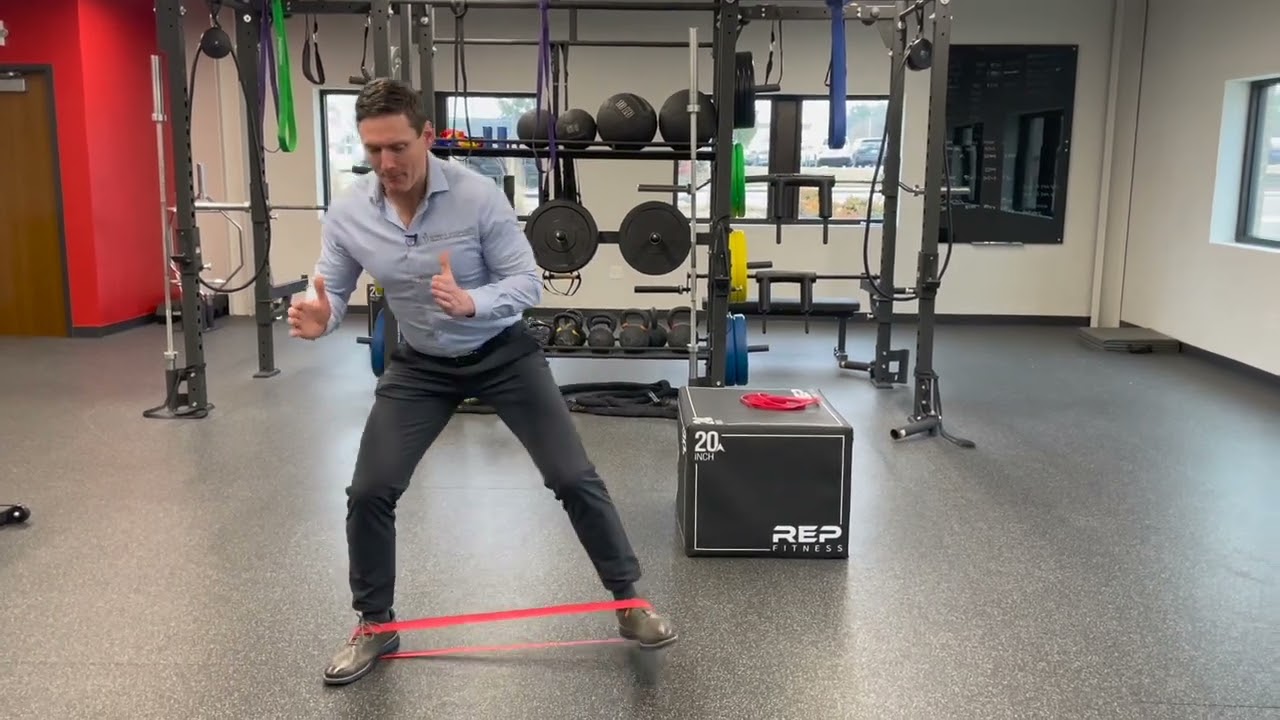
These resistance band crab walks are great for building strength in your hip abductors and external rotators. This includes the sartorius muscle, as you work against the resistance provided by the band.
Aim for 3 sets of 1-minute stepping, alternating sides throughout.