Does Stretching Prevent Running Injuries? The Real Answer

You've been told your whole life to stretch before you run. It's one of those rules that feels so obvious, so deeply baked into running culture, that questioning it almost feels rebellious. But here's the thing: if you're stretching in the hope that it'll stop you getting injured, you might be wasting your time. Or worse, doing yourself harm.
I get it. You're probably reading this because you're either injured right now, or you're fed up with getting injured and want to know what actually works. After 20+ years coaching runners, I can tell you that the question of whether stretching prevents running injuries is one of the most misunderstood topics in the sport. Genuinely.
The short answer? Static stretching alone won't keep you injury-free. But the full picture is more nuanced than that, and understanding it properly could change how you approach your training.
If you want a complete, structured approach to staying injury-free, my Bulletproof Runners programme covers everything from mobility work to strength training and running mechanics, built around the same evidence-based principles I'll share with you here.
Quick Answer: Does stretching prevent running injuries? The research is pretty clear that static stretching alone does not significantly reduce injury risk in runners. Dynamic warm-up routines, strength training, and sensible training load management are far more effective tools. Stretching has real benefits, but injury prevention isn't really the main one.
What Is Stretching? (And Why the Type Matters)
Before we get into the research, it helps to be clear about what we actually mean by stretching. Not all stretching is the same, and lumping it all together is one of the main reasons this topic gets so confusing.
Here are the main types you'll come across:
Static stretching: You hold a stretch for 20-60 seconds. This is the classic "touch your toes and hold" type. It's what most people picture when they think of stretching.
Dynamic stretching: Controlled, rhythmic movements that take your joints through their full range of motion. Think leg swings, walking lunges, high knees.
Active stretching: You use your own muscle strength to hold a position, without any external help.
Passive stretching: An external force, like a strap, a wall, or a physio, helps you move into and hold the stretch.
PNF stretching (Proprioceptive Neuromuscular Facilitation): A more advanced technique combining stretching and muscle contraction. Often used in rehab settings.
The type of stretching you do, and when you do it, makes a huge difference to the outcome. Most of the research showing that stretching doesn't prevent injury is specifically looking at static stretching. Dynamic stretching tells a very different story, which I'll come to shortly.
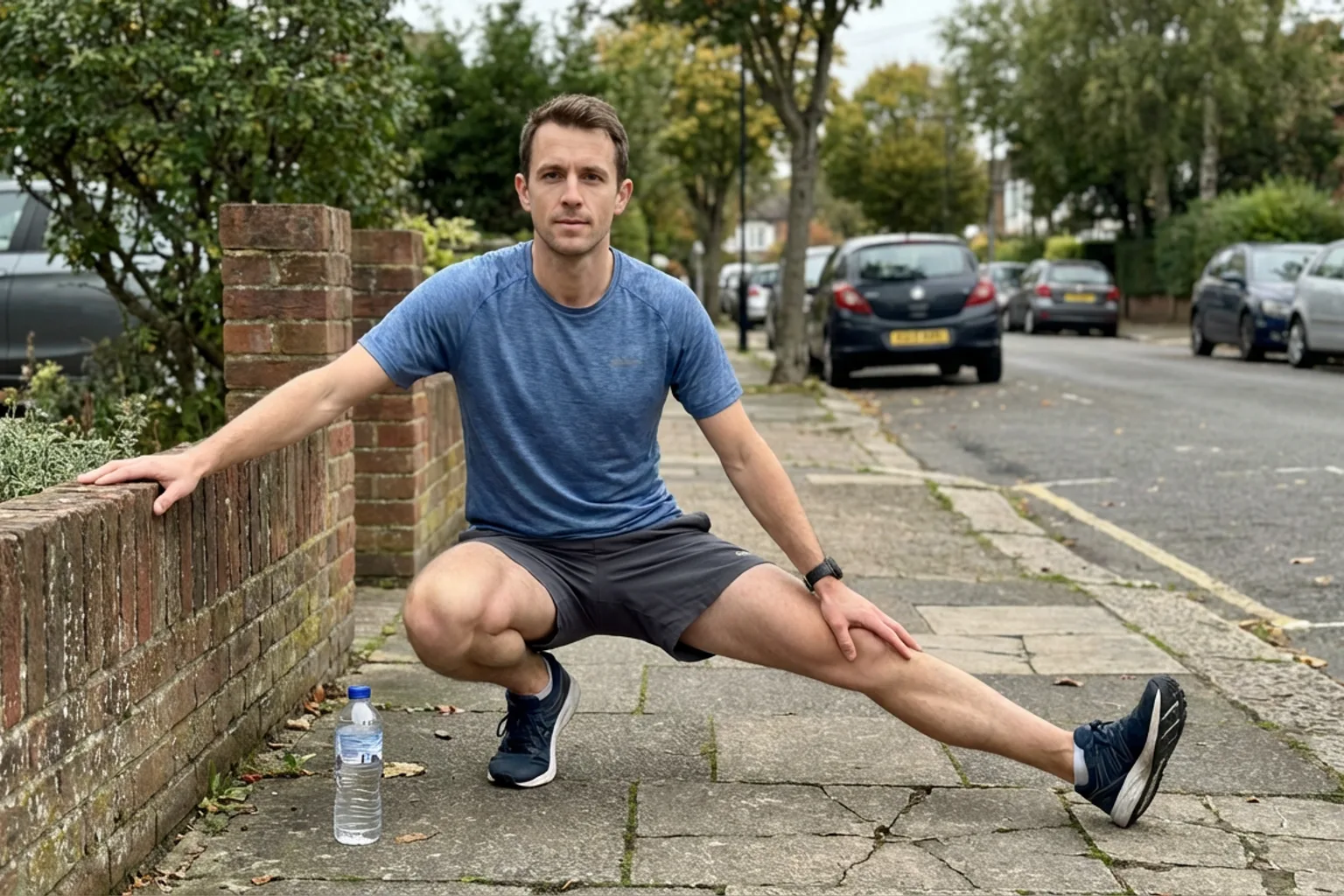
Does Stretching Prevent Injuries? What the Science Actually Says
I'll be straight with you here, because I think a lot of running content dances around this rather than just saying it plainly.
The evidence on static stretching and injury prevention is pretty clear: static stretching before running does not significantly reduce your risk of injury. Multiple systematic reviews and randomised controlled trials have found no meaningful injury-prevention benefit from pre-run static stretching.
A widely cited 2004 review by Thacker et al. in the Clinical Journal of Sport Medicine looked at six randomised controlled trials and concluded that stretching was not significantly associated with a reduction in total injuries. A 2008 Cochrane review reached a similar conclusion.
Now, I know that might feel like a gut punch if you've been diligently stretching for years. It did for me when I first dug into this properly, to be honest. But here's the nuance that most articles miss.
The research doesn't say stretching is useless. It says stretching alone, used as a standalone injury-prevention strategy, doesn't work. There's a big difference. And when you look at dynamic stretching as part of a structured warm-up, the picture shifts. Studies suggest that a proper dynamic warm-up, which includes movement-based stretching, does improve performance and may reduce injury risk, particularly for soft tissue injuries like muscle strains.
So the real question isn't "should I stretch?" It's "what kind of stretching, when, and as part of what routine?"
I've written more about this in my article on why stretching doesn't work the way most runners think, which is worth reading alongside this one.
Why Static Stretching Before Running Can Actually Be Counterproductive
Here's something that genuinely surprises most runners: static stretching immediately before a run can temporarily reduce your performance. And in some situations, it may actually increase injury risk. Sounds counterintuitive, right?
The research points to a few specific problems:
Reduced force production: Static stretching can temporarily inhibit nerve conduction, meaning your muscles don't fire as quickly or as powerfully. Studies suggest this effect can reduce strength and power output by up to 8% for up to an hour after stretching.
Reduced tendon stiffness: This sounds like a good thing, but tendons actually need a degree of stiffness to store and release energy efficiently when you run. Stretching them out before a run reduces this elastic energy return.
Microtrauma risk on cold tissue: Stretching cold, tight muscles aggressively can cause tiny tears in the tissue, especially if you skip any warm-up beforehand.
These effects are temporary and most relevant for faster running or racing. For a gentle easy run, pre-run static stretching probably won't cause you any real harm. But it's definitely not helping you either. Not ideal.
Save your static stretching for after your run. Not before.
Static Stretching Does Not Warm Up Your Body
This is a myth I still hear constantly, even from experienced runners. Stretching does not warm up your muscles. Full stop.
Warming up means literally raising the temperature of your muscle tissue. That happens through movement and increased blood flow. Holding a static stretch does neither of those things. Your heart rate doesn't rise, blood flow doesn't increase significantly, and your core muscle temperature stays pretty much the same.
So if you're doing five minutes of static stretching before heading out the door and calling that a warm-up, you're not actually warming up. You're just stretching cold muscles, which, as I mentioned above, isn't ideal.
A proper running warm-up should start with easy movement. Check out my running warm-up structure guide and my five-minute running warm-up routine for practical routines you can start using right away.
What Does Actually Prevent Running Injuries?
Right. So if stretching isn't the answer, what is?
I want to give you something genuinely useful here, not just "stretching bad, do other stuff." Here's what the evidence, and my experience coaching runners, actually supports.
1. Smart Training Load Management
The single biggest predictor of running injury is doing too much, too soon. Research consistently shows that rapid increases in training volume or intensity are the primary driver of overuse injuries. The 10% rule (never increase your weekly mileage by more than 10%) is a rough guideline, but the principle behind it is sound.
If you're coming back from a break or building towards a race, gradual progression is your best injury prevention tool. Full stop.
2. strength training for runners
This is where I feel most strongly. Trust me on this one. Strength training is one of the most evidence-backed injury prevention strategies available to runners. A 2014 meta-analysis by Lauersen et al. in the British Journal of Sports Medicine found that strength training reduced sports injuries to less than one-third compared to control groups. Less than a third. That's a remarkable finding.
For runners specifically, strengthening the glutes, hips, and single-leg stability muscles addresses the biomechanical weaknesses that cause most common running injuries. Things like runner's knee, IT band syndrome, and shin splints are often rooted in hip weakness and poor load management, not tight hamstrings.
I cover this in detail in my article on how to prevent running injuries, and it's a core pillar of the Bulletproof Runners programme.
3. Dynamic Warm-Up Routines
A proper dynamic warm-up, movement-based exercises rather than static holds, genuinely helps. It raises muscle temperature, improves neuromuscular readiness, and prepares your joints for the specific demands of running. Good dynamic warm-up exercises for runners include:
Leg swings (front-to-back and side-to-side)
Walking lunges
Hip circles
High knees
Glute activation exercises (clamshells, banded walks)
A short easy jog before picking up pace
4. Running Form Improvements
Biomechanical issues, like overstriding, excessive hip drop, or poor posture, place repetitive stress on specific tissues. Over thousands of strides, this adds up. Addressing your running gait can reduce injury risk significantly, particularly for runners who keep getting the same injury in the same spot.
5. Adequate Recovery
Sleep, nutrition, and easy days between hard sessions all matter more than most runners appreciate. Injuries don't just happen during runs. They happen when accumulated fatigue meets inadequate recovery. A good chunk of the runners I work with are surprised to discover that their "mystery" injury is actually a recovery problem in disguise.
The Real Benefits of Stretching for Runners
I don't want you to walk away from this thinking stretching is worthless. It isn't. It just doesn't do what most people think it does. Actually, that's not entirely fair to stretching either. Let me be more precise.
Here's what stretching does genuinely offer runners:
Improved joint range of motion: Regular static stretching over weeks and months does increase flexibility. This can be genuinely useful for runners with very restricted hip flexors, for example, where limited range of motion affects their running mechanics.
Reduced muscle soreness perception: Loads of runners find stretching after a run helps them feel less stiff and sore. The research on this is mixed, but if it works for you subjectively, that's worth something.
Psychological benefits: A post-run stretch routine can be a really valuable wind-down ritual. It gives you time to check in with your body, notice any niggles early, and shift mentally from training mode to recovery mode.
Improved movement quality over time: For runners with specific mobility restrictions that affect their technique, targeted stretching can help address those limitations and improve running economy.
Tissue health: Regular, gentle stretching may support connective tissue health over the long term, though this is harder to measure directly.
So stretch because it feels good, because it helps your mobility, because it's a healthy habit. Just don't rely on it as your primary injury prevention strategy. That's where it falls short.
When Should Runners Stretch?
Timing matters. Here's my practical guidance based on the evidence and what I've seen work with the runners I coach.
Before Running: Dynamic Only
Before a run, stick to dynamic movements. Save the held stretches for afterwards. A 5-10 minute dynamic warm-up before harder sessions and races is genuinely worthwhile. Before easy runs, even just starting at a very easy pace for the first five minutes serves as a reasonable warm-up.
After Running: Static Stretching is Fine
Post-run is the ideal time for static stretching. Your muscles are warm, your tissue is more pliable, and you're not about to ask them to perform. Hold each stretch for 30-60 seconds and focus on the areas that feel tight. The post-run stretching routine I put together covers the key areas for runners.
Dedicated Mobility Sessions: Separate from Running
If you have specific mobility restrictions, the most effective approach is a dedicated mobility session separate from your runs. Yoga, targeted hip flexor work, specific mobility drills. Doing this 2-3 times per week, on easy days or as part of your strength training session, will produce far better results than a quick stretch before or after a run.
My article on hip flexor stretching for runners goes into more detail on how to make this kind of work actually effective, rather than just going through the motions.
Stretching and Specific Running Injuries: What to Know
Look, one thing a lot of runners miss is how the stretching question plays out differently depending on the specific injury. Let me address a few common ones.
IT Band Syndrome
The IT band itself is a thick band of connective tissue, not a muscle. You can't meaningfully stretch it. foam rolling and static stretching the IT band directly are largely ineffective for treating or preventing IT band syndrome. Hip strengthening and running mechanics work are far more effective here.
Plantar Fasciitis
This is one area where stretching does have a stronger evidence base. Calf stretching and plantar fascia-specific stretching, like the towel stretch or foot flexion before getting out of bed, are recommended in clinical guidelines for plantar fasciitis management. If you're dealing with this, check out my guide on how long plantar fasciitis lasts and what to do about it.
Achilles Tendinopathy
Stretching the Achilles and calf is actually contraindicated in some stages of Achilles tendinopathy. Aggressive stretching of an irritated tendon can worsen symptoms. Eccentric loading exercises, like heel drops, have a much stronger evidence base for Achilles rehab. Read my guide to Achilles warning signs if you're concerned about this area.
Runner's Knee (Patellofemoral Pain)
Stretching the quads and hip flexors is often recommended for runner's knee, and it can help as part of a broader programme. But again, the evidence points to hip strengthening, particularly the glutes, as the primary intervention. I've written about this in detail in my article on preventing knee pain when running.
Shin Splints
Calf and shin stretching is commonly recommended for shin splints, but the evidence base is pretty weak. Load management, footwear assessment, and a gradual return to running are more reliably effective.
Does Stretching Speed Up Injury Recovery?
Another common belief worth addressing. A fair bit of runners stretch more when they're injured, thinking it'll help them heal faster. I understand the instinct. You want to do something.
But the evidence is fairly clear: static stretching does not significantly speed up tissue healing. Healing is a biological process driven by blood flow, nutrition, rest, and appropriate loading. Stretching doesn't meaningfully accelerate any of those things.
In some cases, particularly with tendon injuries or acute muscle strains, stretching can actually aggravate the injury and delay recovery. Not ideal. If you're injured, the most important thing is to get an accurate diagnosis and follow a structured return to running plan rather than just stretching and hoping for the best.
A Practical Stretching and Injury Prevention Plan for Runners
Let me pull this all together into something you can actually use. Here's the framework I recommend to the runners I coach.
Daily Habits
Short glute activation routine in the morning (2-3 minutes): clamshells, glute bridges, or banded walks
Awareness of how your body feels each day, especially any niggles
Before Every Run
5-10 minutes of easy walking or very slow jogging
Dynamic drills: leg swings, hip circles, walking lunges (6-8 reps each)
Before hard sessions or races: add 3-4 short strides at goal pace
After Every Run
5-10 minutes of static stretching targeting hips, calves, hamstrings, and quads
Hold each stretch 30-60 seconds
Note any areas of tightness or discomfort for monitoring
2-3 Times Per Week
Dedicated strength training session targeting glutes, hips, and single-leg stability
Targeted mobility work for any specific restrictions
When to See a Physio
See a physiotherapist if:
Pain is sharp, sudden, or severe
Pain doesn't improve within 7-10 days of relative rest
You're changing your gait to compensate for pain
The same injury keeps coming back
You have swelling, bruising, or loss of function
Don't wait too long. In my experience, runners who see a physio early recover faster and miss less training than those who try to stretch and foam roll their way through an injury for weeks. I've seen it time and again.
FAQ: Does Stretching Prevent Running Injuries?
Does stretching before running prevent injuries?
No. The research consistently shows that static stretching before running does not significantly reduce injury risk. In fact, static stretching before exercise can temporarily reduce muscle power and tendon stiffness. A dynamic warm-up is a much better choice before you run. Save static stretching for afterwards.
Is it better to stretch before or after running?
After running. Post-run static stretching is safer and more effective because your muscles are already warm and pliable. Before running, focus on dynamic movements like leg swings and walking lunges instead. These prepare your body for the demands of running without the downsides of static stretching on cold tissue.
What actually prevents running injuries?
The most evidence-backed strategies are: managing your training load carefully, doing regular strength training (especially for glutes and hips), using a proper dynamic warm-up, addressing any running form issues, and getting enough recovery between sessions. Stretching alone is not a reliable injury prevention tool.
Should I stretch if I have a running injury?
It depends on the injury. Some injuries, like plantar fasciitis, do respond well to specific stretching. Others, like Achilles tendinopathy or acute muscle strains, can be aggravated by stretching. Get a proper diagnosis first. Don't assume stretching will help, and don't push through pain when stretching.
How long does it take to improve flexibility for running?
With consistent stretching 5-7 days per week, most runners notice meaningful improvements in flexibility within 4-6 weeks. Significant changes in range of motion typically take 8-12 weeks of regular work. Consistency matters far more than the duration of individual sessions.
The Bottom Line on Stretching and Running Injuries
Here's what I want you to take away from all of this.
Stretching is not the injury prevention silver bullet you've been told it is. The science is pretty clear on that. But it's also not something to abandon entirely. It has real value for mobility, recovery, and long-term tissue health. The thing is, it's been promoted as something it was never really designed to do.
The runners I see staying healthy year after year aren't the ones who stretch the most. They're the ones who train smart, build strength consistently, warm up properly, and listen to their bodies before small niggles turn into big problems.
Preventing running injuries is a multi-layered challenge, and stretching is just one small piece of a much bigger puzzle. If you want a complete, structured system that puts all those pieces together, that's exactly what I built Bulletproof Runners for. It's a comprehensive programme covering strength, mobility, running mechanics, and load management, designed specifically to keep runners healthy and training consistently.
Because the best training plan in the world means nothing if you're constantly on the injury sidelines.
Start with your warm-up routine, add in some strength work, and be honest with yourself about your training load. Do those three things well, and you'll do more to prevent running injuries than any amount of static stretching ever could.