Running with Gluteal Tendinopathy: 10 Tips That Actually Work
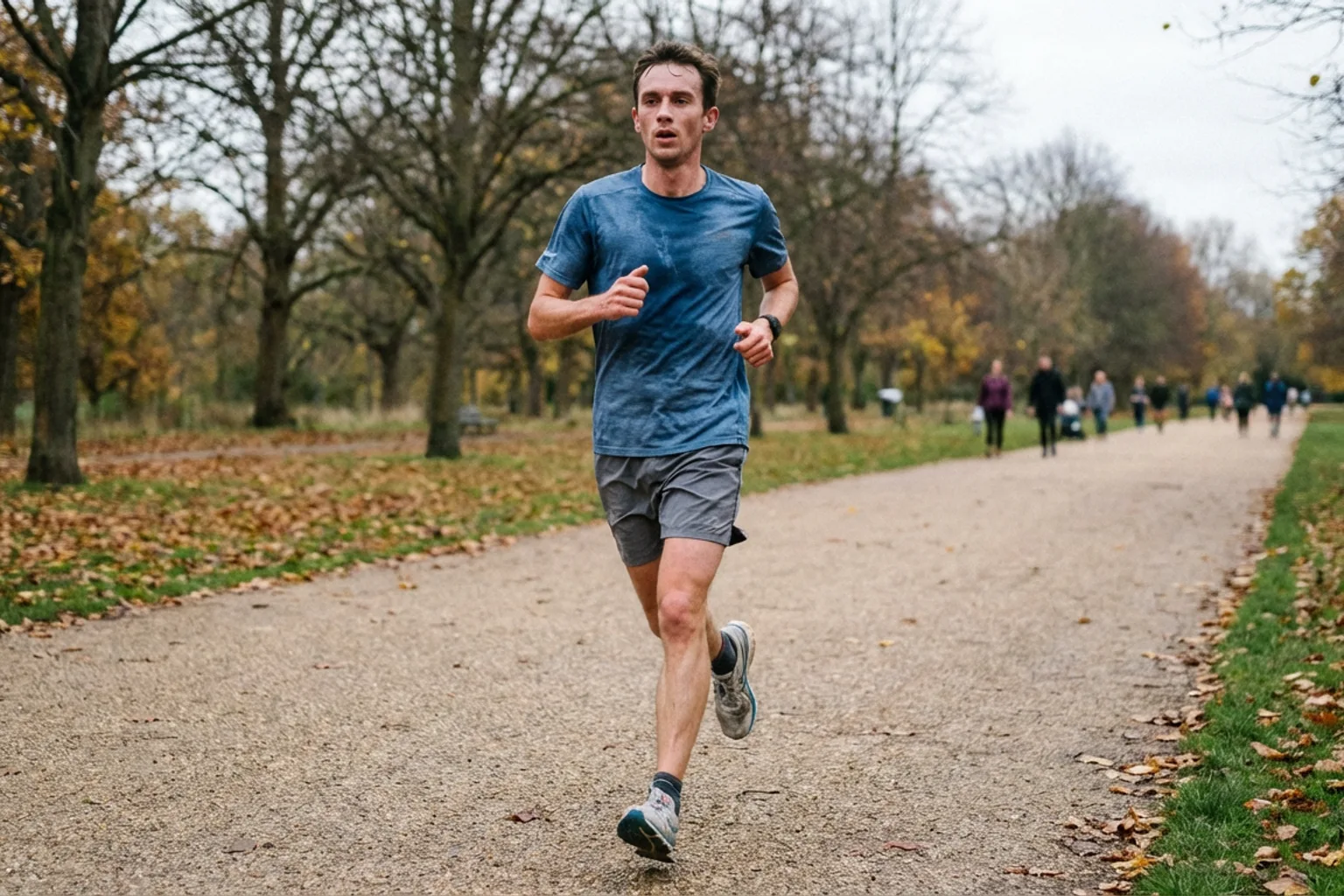
Running with gluteal tendinopathy is one of those injuries that messes with your head as much as your hip. You know complete rest isn't the answer. But every time you push a little harder, the pain flares up again and you're back to square one.
I've worked with dozens of runners dealing with this exact problem. The good news? The majority get back to full training within 6 months. The ones who recover fastest aren't the ones who rest the longest. They're the ones who understand what's actually going on and manage it smartly from day one.
That's what this guide is for.
Quick Answer: Can you run with gluteal tendinopathy? Yes, in most cases you can continue running with gluteal tendinopathy. You need to reduce your training load, avoid aggravating positions, fix key running form issues, and follow a structured rehab plan. Running through significant pain without addressing the cause will make this injury much harder to treat.
What is Gluteal Tendinopathy?
Gluteal tendinopathy is an overuse injury affecting the tendons of your gluteus medius and gluteus minimus muscles. These tendons attach to the greater trochanter, the bony ridge you can feel on the outside of your upper thigh.
When these tendons face repeated overload or compression, the tissue breaks down faster than it can repair itself. The result is pain on the outside of your hip, sometimes spreading down your outer thigh.
What Are Your Gluteal Muscles?
Your gluteal muscles, also known as your glutes or buttocks, sit at the back and side of your pelvis. There are three of them:
- Gluteus maximus: The largest, most powerful glute muscle. It drives hip extension and propulsion when you run.
- Gluteus medius: The key hip stabiliser. It keeps your pelvis level during single-leg stance, which happens with every stride you take.
- Gluteus minimus: The smallest and deepest of the three. It works alongside the medius to control pelvic stability and hip rotation.
All three muscles run from your sacrum and pelvis and attach via tendons to the greater trochanter on the outer side of your upper thigh.
What Do Your Gluteal Muscles Actually Do?
Your glutes do far more than just power you uphill. They keep your body upright, control pelvic alignment, and stabilise your hip with every step. Without healthy, strong glutes, you can't propel yourself forward efficiently, lower yourself into a chair with control, stand up from sitting, or climb stairs without compensating elsewhere.
During running, the gluteus medius and minimus work constantly to stop your pelvis from dropping on the non-stance side. When these muscles fatigue or the tendons become irritated, everything downstream suffers. You'll find more detail on this in my guide to understanding the gluteal muscles and how they function during movement.
Gluteal Tendinopathy vs Trochanteric Bursitis
You might also hear this condition called:
- Greater Trochanteric Pain Syndrome (GTPS)
- Trochanteric bursitis
- Lateral hip pain
There are also several small fluid-filled sacs called bursae around the greater trochanter. These can become irritated too, leading to bursitis. Research now confirms that the tendons themselves are usually the primary problem, rather than the bursa. So "trochanteric bursitis" is often a misleading name for what's really going on.
Here's the practical takeaway: whether your diagnosis is gluteal tendinopathy, hip bursitis, or GTPS, the causes and rehab approach are essentially the same. So the advice in this article applies to all three.
If you want to understand how long recovery typically takes, I've written a full guide on gluteal tendinopathy recovery time that's worth reading alongside this one.
What Causes Gluteal Tendinopathy?
This injury almost always develops from one of two things: too much compression on the tendon, too much overload through training, or a combination of both. Understanding which is driving your pain shapes every decision you make about managing it.
Gluteal Tendinopathy from Excessive Compression
Compression happens when the gluteal tendon gets pinched between the greater trochanter and surrounding structures. Certain positions bring your thigh across your body and create this compression directly.
The most common culprits are:
- Sitting with your legs crossed at the knee
- Pigeon pose or figure-four hip stretches
- Sleeping on your side without a pillow between your knees
- Standing with your weight shifted to one hip
- Running with a cross-over gait pattern
Many runners are surprised to learn that some of their favourite hip stretches are actually compressing the tendon. I'll cover this in more detail below.
Gluteal Tendon Overload Through Overuse
Overload happens when the total demand on the tendon exceeds what it can handle. This is usually a training load problem. Too many miles, too much hill work, or a sudden spike in intensity are the most common triggers I see.
Tendons adapt slowly. They need weeks, not days, to respond to increased training demands. When you push the load up faster than the tendon can adapt, the tissue breaks down. This is why gluteal tendinopathy so often appears after a runner ramps up for a marathon or starts doing more hill sessions.
How Poor Running Form Causes Gluteal Tendinopathy
Running mechanics play a big role here. Two patterns in particular drive both compression and overload at the gluteal tendon:
Cross-over gait is where your feet land close to or across your body's midline. This increases compression on the tendon with every stride and forces your hip abductors to work harder than they should. I see this in a huge proportion of runners who come to me with lateral hip pain.
Hip drop, also called Trendelenburg gait or contralateral pelvic drop, is where the pelvis tilts down on the non-stance side during the support phase of running. This stretches and compresses the gluteal tendons on the stance side thousands of times per run.
Both patterns are addressable with the right cues and exercises. I'll walk you through both in the tips below.
Gluteal Tendinopathy Symptoms: What to Look For
Before you can manage this injury well, you need to be confident you're dealing with gluteal tendinopathy and not something else.
Classic symptoms include:
- Pain on the outside of the hip, often over the greater trochanter (the bony point on the side of your upper thigh)
- Pain that's worse first thing in the morning or after prolonged sitting
- Discomfort climbing stairs or walking uphill
- Pain when lying on the affected side at night
- Tenderness when you press directly on the greater trochanter
- Pain during or after running, particularly on hills or uneven surfaces
- Weakness felt in the hip when standing on one leg
The pain is usually localised to the outer hip, though it can radiate down the outer thigh. It rarely goes below the knee, which helps distinguish it from nerve-related pain. If you're getting symptoms that travel further down the leg, it's worth reading my article on running with sciatica to rule out a nerve component.
One useful clinical test you can do yourself: stand on the affected leg for 30 seconds. If this reproduces your hip pain, gluteal tendinopathy is likely. A physiotherapist can confirm the diagnosis and rule out other causes.

Who Gets Gluteal Tendinopathy? Risk Factors Worth Knowing
Understanding your risk factors helps you make smarter training decisions, both now and after recovery.
Women over 40 are disproportionately affected by gluteal tendinopathy. Research consistently shows that this injury is far more common in women, particularly those going through perimenopause or menopause. Studies suggest women in this group are up to 4 times more likely to develop the condition than men of the same age.
Menopause and Gluteal Tendinopathy
Oestrogen plays a real role in tendon health. It supports collagen synthesis and helps tendons maintain their strength and resilience. When oestrogen levels drop during perimenopause and menopause, the body produces less collagen, and tendons can become less robust and more vulnerable to overload.
This doesn't mean the injury is inevitable. But it does mean that women in this group need to be especially proactive about load management and strength training. Maintaining a consistent strength training programme for runners becomes even more important during this life stage, not optional.
Other risk factors include:
- Sudden increases in training volume or intensity
- Weak hip abductor muscles
- Cross-over or narrow gait pattern
- Running predominantly on cambered or hilly surfaces
- High BMI, which increases compressive load on the tendon
- Previous hip or lower back injuries
- Leg length discrepancy
- Prolonged sitting as part of your daily routine
Gluteal tendinopathy can also develop alongside other hip conditions. If you've been dealing with hip pain for a while without a clear diagnosis, read my guide on running with femoral acetabular impingement to rule out FAI as a contributing factor. There's also some overlap with piriformis syndrome, which can cause similar outer hip and buttock pain.
Running with Gluteal Tendinopathy: 10 Tips That Actually Work
Work through these tips in order. They go from the most immediately important steps to the more progressive ones. Don't skip ahead to the strength work before you've dealt with the basics.
1. Understand What's Aggravating Your Tendon First
Gluteal tendons are sensitive to two things: compression and overload. Both happen during running, but in different ways. Getting clear on which is driving your pain shapes every decision you make.
Most runners I work with are dealing with both at the same time. The first step is identifying your personal triggers and cutting those out before you change anything else.
Common aggravating activities include:
- Sitting cross-legged or with legs crossed at the knee
- Sleeping on the affected side without support
- Standing with your weight shifted to one hip
- Stretching your hip into adduction (crossing the leg over)
- Running on cambered roads
- Running with a cross-over gait pattern
- Overstriding, where your foot lands too far in front of your body
2. Reduce Your Running Load, But Don't Stop Completely
Complete rest is almost never the right answer for gluteal tendinopathy. Tendons need load to heal. The goal is to find a level of running that doesn't provoke your symptoms, and train at that level while you work on the underlying causes.
Here's the simple rule I use with my runners: if your pain stays below 3 out of 10 during a run and returns to baseline within 24 hours, you're in a safe training zone. If pain spikes above 5 or takes more than 24 hours to settle, you've done too much.
Practical load management steps:
- Cut your total weekly mileage by 30-50% initially
- Reduce or eliminate hill running for now
- Shorten individual run distances rather than eliminating runs entirely
- Replace some running with aqua jogging to maintain fitness without tendon load
- Avoid back-to-back running days if symptoms are flaring
The biggest mistake I see? Runners who feel better after a few easy days and immediately jump back to full training. Gluteal tendinopathy is deceptive. Pain often settles before the tendon has actually healed.
3. Fix Your Cross-Over Gait
Cross-over gait is probably the single most common running form issue I see in runners with gluteal tendinopathy. It's where your feet land close to or across your body's midline, creating a narrow track or zigzag pattern.
This matters because cross-over gait increases compression on the gluteal tendons with every stride. It also forces your hip abductors to work harder to control pelvic stability, which accelerates tendon overload.
You can check for cross-over gait by running on a treadmill and watching where your feet land, or by looking at the wear pattern on your trainers. Excessive wear on the inside edge of the forefoot is a giveaway.
The fix is to widen your step width slightly. I've written a detailed guide on correcting the cross-over running gait that walks you through this step by step. Even a small increase in step width, around 5-10cm, can significantly reduce compression forces at the hip. I've also put together a set of stride width exercises specifically to help runners make this change stick.
A useful cue: imagine running along two parallel train tracks rather than a tightrope. Your left foot stays on the left track, your right foot on the right track.
4. Address Hip Drop in Your Running Gait
Hip drop, also called Trendelenburg gait, is the other major biomechanical culprit in gluteal tendinopathy. It happens when the pelvis tilts down on the non-stance side during the single-leg support phase of running.
When your hip drops, it stretches and compresses the gluteal tendons on the stance side. Do this thousands of times per run and you've got a recipe for tendon breakdown.
Hip drop is usually driven by weakness in the gluteus medius, which is supposed to hold the pelvis level during single-leg stance. But it can also be a motor control issue, where the muscle is strong enough in isolation but not activating properly during the complex task of running.
I've covered this in detail in my article on hip drop running gait causes and fixes. The key takeaway here is that you need to both strengthen the hip abductors and practise the movement pattern under load. My simple glute medius exercise for runners is a good starting point for the activation side of things.
A simple check: run past a shop window or use a phone camera to record yourself from behind. Can you see your hips rocking side to side? That's hip drop, and it needs addressing.
5. Increase Your Running Cadence
A higher running cadence reduces the load on your hip tendons with every step. This is one of the quickest form changes you can make and one of the most effective for managing tendinopathy symptoms.
Here's why it works. A lower cadence typically means longer strides, more time on each foot, and greater hip adduction at ground contact. All of these increase the compressive and tensile load on the gluteal tendons.
When you increase cadence, strides shorten naturally, ground contact time decreases, and the hip moves through a smaller range of motion. The result is less stress on the tendon per stride.
Research suggests a 5-10% increase in cadence is a good starting point. If you're currently running at 160 steps per minute, aim for 168-176. A metronome app on your phone is the easiest tool for this. I've written about using a metronome to improve running cadence and how to make the change feel natural rather than forced.
6. Avoid Stretching the Hip Into Adduction
This one surprises a lot of runners: some of the most popular hip stretches are exactly what you should avoid with gluteal tendinopathy.
The glute stretch where you cross one ankle over the opposite knee (figure-four or pigeon pose) pulls the hip into adduction and internal rotation. This position compresses the gluteal tendon directly against the greater trochanter. It feels like it should help, but it's one of the most provocative positions for this injury.
Similarly, crossing your legs while sitting does the same thing. So does the classic IT band stretch where you cross one leg behind the other.
I know it's counterintuitive. You feel tight, you want to stretch. But with tendinopathy, passive stretching of the affected tendon rarely helps and often makes things worse. The research on this is fairly consistent.
What to do instead: focus on gentle movement within a pain-free range, and invest that stretching time into strengthening work. If you're looking for safe options, my guide to stretches for runners highlights which ones are appropriate during injury rehab.
7. Be Smart About Hills and Camber
Hill running places significantly higher demands on the gluteal tendons, and cambered roads are surprisingly problematic too.
Running uphill increases hip flexion range and demands more from the gluteal muscles to drive propulsion. This isn't automatically bad, but if your tendons are already irritated, it's too much load too soon.
Downhill running is often even more provocative. The hip moves into greater adduction on the downslope, compressing the tendon, while the eccentric demand on the gluteals increases substantially. I've seen runners who feel fine on flat ground completely flare up after a single downhill run. My article on downhill running technique covers how to manage this better when you're ready to reintroduce it.
Cambered roads create a similar problem. The lower leg sits in a position of hip adduction on the higher side of the camber. If you always run the same route in the same direction, you're repeatedly loading one hip in a compromised position.
My advice: eliminate hills and cambered surfaces during the acute phase. When you return to hills, start with structured hill running workouts at low intensity before progressing.
8. Start a Progressive Tendon Loading Programme
Strengthening your gluteal tendons is the most important long-term intervention for gluteal tendinopathy. This is where most runners get stuck, because they either do nothing or they jump straight into heavy loading that flares things up.
Tendon rehab follows a clear progression:
- Isometric exercises: Hold a position without movement. These are the safest starting point because they load the tendon without compression. A wall sit or isometric hip abduction (pushing your leg outward against a fixed resistance) works well. Hold for 30-45 seconds, 3-5 sets. Research shows isometrics can also reduce tendon pain quite quickly, which is a useful bonus.
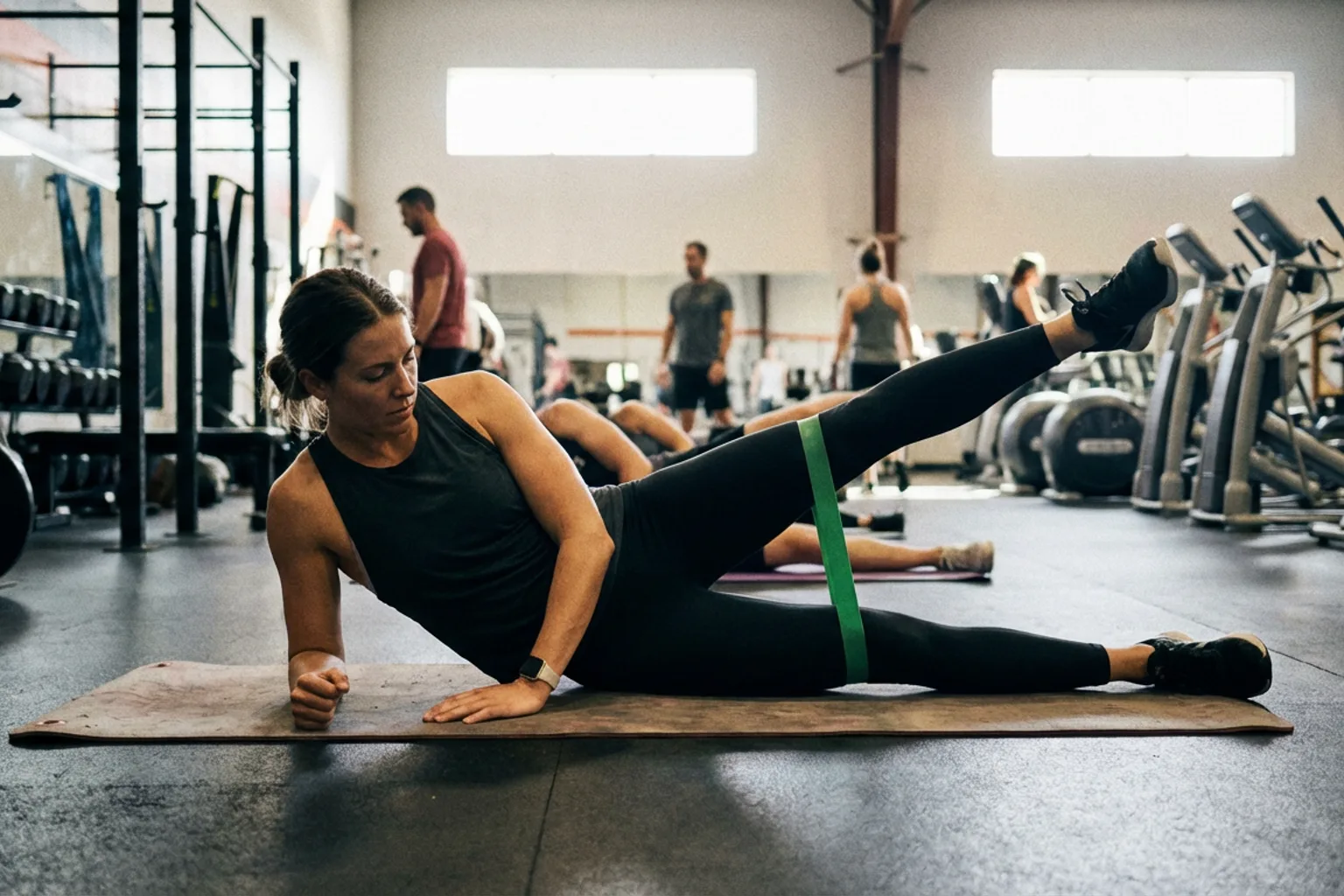
- Isotonic exercises: Controlled movement through range. Side-lying hip abduction, standing hip abduction with a resistance band, and single-leg bridges are good options here. Focus on slow, controlled movement. Aim for 3 sets of 10-15 reps.
- Functional loading: Single-leg exercises that mimic running demands. Single-leg squats, step-ups, and lateral band walks all fit here. My article on single-leg squat variations walks through progressions that work well in this phase. This is where you start to close the gap between rehab and running.
- Plyometric and running-specific loading: Lateral hops, skater jumps, and running-specific plyometrics. Only introduce these once you're pain-free through the functional loading stage.
Each stage should take 4-6 weeks minimum before progressing. I know that feels slow. But rushing this progression is the number one reason runners end up back at square one.
For more on how to use your glutes effectively during running, that article covers the activation side of things in detail. And if you want a ready-made routine, my four essential glute exercises for runners is a good place to start.
9. Manage Your Daily Posture and Habits
What you do between runs matters just as much as what you do during them. Gluteal tendinopathy is highly sensitive to sustained compression, and many everyday habits keep the tendon in a compressed position for hours at a time.
Key habits to change:
- Stop crossing your legs when sitting. This puts the hip in adduction and directly compresses the tendon.
- Sit with both feet flat on the floor, hips level. Use a chair that allows you to sit upright rather than slumping.
- Sleep with a pillow between your knees if you're a side sleeper. This keeps the hip in a neutral position and reduces overnight compression.
- Avoid the hip hitch standing posture, where you shift your weight to one side and let that hip drop out. This creates constant low-level compressive load on the tendon.
- When standing for long periods, keep your weight even between both feet.
I've had runners who made zero progress with their rehab exercises until they sorted out their sitting habits. The tendon was being compressed for 8 hours a day at work, then they'd do 10 minutes of exercises and wonder why nothing was improving. Sort the daily habits first.
10. Monitor Your Response and Progress Systematically
Tracking how your tendon responds to training is essential for making good decisions about when to push and when to back off.
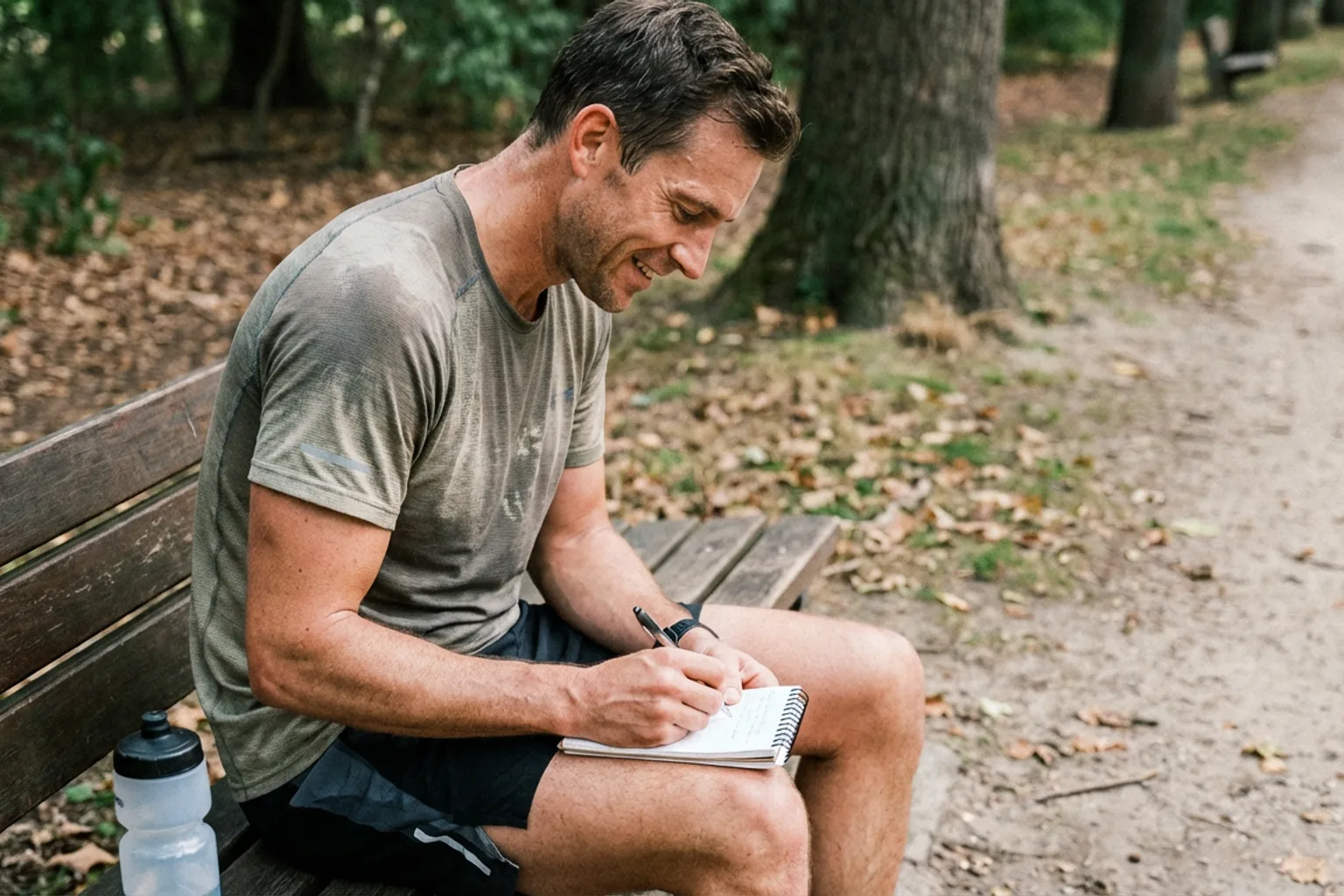
I recommend keeping a simple training diary that records:
- Pain level before, during, and after each run (0-10 scale)
- How long it takes for pain to return to baseline after a run
- Morning pain or stiffness, which is a key indicator of tendon irritability
- Any activities outside of running that provoke symptoms
Use this data to guide your training decisions. If morning pain is increasing week on week, you're doing too much. If it's stable or decreasing, you're in the right zone.
The 24-hour rule is your best friend here: if symptoms haven't returned to your pre-run baseline within 24 hours, the session was too much. Adjust accordingly.
This systematic approach is the same one I use when helping runners return from running injury successfully. It's not glamorous, but it works.
What to Avoid: Common Mistakes That Make Gluteal Tendinopathy Worse
In my experience, runners make the same mistakes over and over with this injury. Here's what not to do:
- Aggressive stretching of the hip: Pigeon pose and figure-four stretches compress the tendon and delay recovery.
- Complete rest followed by sudden return to full training: The tendon deconditions during rest, making it even more vulnerable when you return.
- Ignoring the strength work: Anti-inflammatories and rest might reduce pain temporarily, but they don't fix the underlying tendon weakness. Without strengthening, the injury comes back.
- Running through significant pain: A little discomfort (2-3/10) during a run is usually acceptable. Pain above 5/10 means you're causing further damage.
- Foam rolling directly over the greater trochanter: This compresses the tendon and bursa against the bone. Roll the glute muscle belly instead, well above the bony point.
- Comparing your recovery timeline to other runners: This injury is notoriously variable. Some runners recover in 8-12 weeks. Others take 6-12 months. Pushing too hard because someone else recovered faster is a fast track to a longer recovery.
Lateral Hip Pain Sleeping Tips
Night pain is one of the most common complaints I hear from runners with gluteal tendinopathy. Lying on the affected side compresses the tendon directly against the greater trochanter, and even lying on the opposite side can pull the hip into adduction if you let your top leg drop across.
Here's how to sleep more comfortably:
- Side sleepers: Place a firm pillow between your knees to keep your hips stacked and neutral. This is the single most effective change for reducing night pain.
- Back sleepers: Place a pillow under both knees to reduce hip flexion and take pressure off the tendons.
- Avoid sleeping on the affected side until symptoms have settled significantly.
- If you wake in pain, gently move the hip through a small range of motion before getting up. This reduces the sharp start-up pain that many runners experience.
Morning stiffness and pain are classic signs of tendinopathy. The tendon becomes sensitised after the relative inactivity of sleep, and the first movements of the day can be quite painful. This usually eases within 20-30 minutes of moving around. High morning pain levels are a useful indicator of overall tendon irritability and should guide your training load for that day.
Comparing Gluteal Tendinopathy to Other Running Tendon Injuries
| Condition | Location of Pain | Main Aggravating Activity | Key Rehab Focus |
|---|---|---|---|
| Gluteal Tendinopathy | Outer hip / greater trochanter | Hills, cross-over gait, hip adduction positions | Hip abductor strengthening, gait retraining |
| Proximal Hamstring Tendinopathy | Deep buttock / sit bone | Sitting, hill running, speed work | Hamstring loading, hip hinge mechanics |
| Achilles Tendinopathy | Back of heel / lower calf | Hills, speed work, sudden load increase | Calf strengthening, heel drop programme |
| Patellar Tendinopathy | Below kneecap | Downhill running, jumping, squatting | Quad strengthening, load management |
The comparison is useful because all tendinopathies share similar rehab principles: reduce provocative load, introduce progressive strengthening, and address the biomechanical drivers. The specific exercises and form cues differ, but the framework is the same.
Returning to Full Running After Gluteal Tendinopathy
Getting back to full training is a gradual process. Here's a rough framework I use with my runners:
- Weeks 1-4: Reduce running load significantly. Eliminate hills and camber. Begin isometric strengthening. Sort out daily posture habits.
- Weeks 4-8: Gradually reintroduce easy flat running if symptoms allow. Progress to isotonic strengthening. Begin gait retraining for cross-over or hip drop issues.
- Weeks 8-12: Increase running volume slowly, no more than 10% per week. Introduce functional strength work. Begin cautious return to gentle inclines.
- Weeks 12+: Progressive return to full training including hills and harder sessions. Maintain strength work as part of your ongoing routine.
These timelines are guidelines, not guarantees. Your progression depends on symptom response, not the calendar. If you're still getting flare-ups at week 8, you're not ready to move to the next phase regardless of what the schedule says.
For a detailed breakdown of recovery timelines, my article on how long gluteal tendinopathy takes to recover goes into much more depth. And if you're returning from a longer break, my guide on how to start running after a long break covers the general principles of rebuilding safely.
Preventing Gluteal Tendinopathy from Coming Back
Once you've recovered, the goal is to make sure it doesn't come back. The runners I see return to clinic with a recurrence are almost always the ones who stopped their strength work the moment they felt better.
Here's what long-term prevention looks like:
- Keep up the strength work. Hip abductor strength isn't a one-off fix. It needs maintaining. Two sessions per week is enough for most runners. My 10-minute glute activation and stability workout is easy to slot into your routine.
- Monitor your training load. Avoid sudden spikes in mileage or intensity. The 10% rule is a reasonable guide for weekly volume increases.
- Keep an eye on your gait. Fatigue causes form to break down. If you notice your cross-over gait creeping back during long runs, it's worth addressing before symptoms return.
- Be cautious with hills. Reintroduce hill running gradually and always after a solid base of flat running.
- Manage your sitting habits long-term. If you work at a desk, the posture habits you built during rehab need to stick.
For women going through perimenopause or menopause, staying consistent with strength training is especially important. The evidence on this is clear: maintaining muscle strength and tendon resilience through this life stage significantly reduces your risk of recurrence. My article on how stronger glutes reduce your overall running injury risk makes a compelling case for keeping the strength work going long after symptoms have cleared.
When to See a Physiotherapist
Self-management works for many runners with mild to moderate gluteal tendinopathy. But there are situations where you need professional input.
See a physiotherapist if:
- Pain is severe or getting progressively worse despite reducing load
- Symptoms haven't improved after 6-8 weeks of consistent self-management
- You're unsure whether you have gluteal tendinopathy or something else
- You have significant weakness or difficulty weight-bearing
- You've had a previous hip injury or surgery
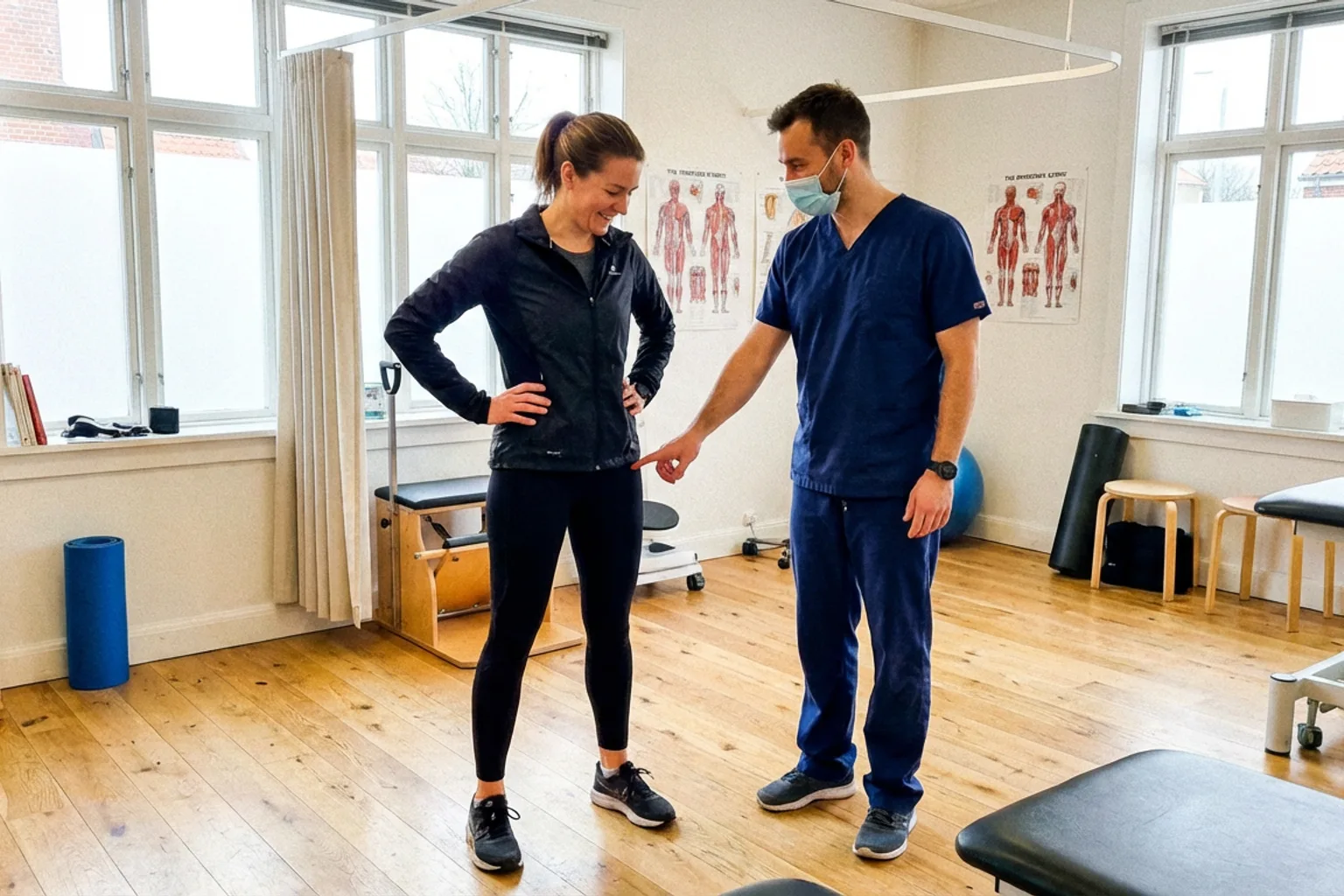
A good physio will confirm the diagnosis, assess your specific biomechanics, and create a personalised rehab programme. This is especially important if you're preparing for a key race and need to manage the injury within a specific timeframe.
Imaging (ultrasound or MRI) is sometimes helpful but isn't always necessary. Many tendons with significant structural changes on imaging are actually pain-free, and some painful tendons look relatively normal on scan. Clinical assessment matters more than imaging findings alone.
Frequently Asked Questions About Running with Gluteal Tendinopathy
Can I run with gluteal tendinopathy?
Yes, in most cases you can continue running with gluteal tendinopathy, provided you reduce your training load, avoid aggravating positions and surfaces, and follow a structured rehab programme. Running through significant pain without addressing the cause will make the injury worse and extend your recovery time considerably.
How long does gluteal tendinopathy take to heal in runners?
Recovery typically takes 3-6 months for most runners, though this varies significantly. Mild cases managed early may resolve in 8-12 weeks. More established cases, or those where training continued at full load for a long time, can take 6-12 months. Consistent strength work and load management are the biggest factors in recovery speed.
Should I stretch my glutes if I have gluteal tendinopathy?
No. Stretching the hip into adduction (pigeon pose, figure-four stretch, crossing the leg over) compresses the gluteal tendon and makes tendinopathy worse. Avoid these stretches during rehab. Focus on strengthening instead, which is far more effective for tendon recovery than passive stretching.
Is cycling OK with gluteal tendinopathy?
Cycling is generally well-tolerated by runners with gluteal tendinopathy, as it doesn't involve the same compressive loading as running. Ensure your saddle height is correct, as a saddle that's too low increases hip flexion and can aggravate symptoms. Start with easy, flat rides and monitor your response carefully.
Can I swim with gluteal tendinopathy?
Swimming is usually well-tolerated and is a good option for maintaining cardiovascular fitness during recovery. Avoid breaststroke if it provokes hip pain, as the leg movement can load the gluteal tendons. Front crawl is generally the most comfortable stroke. Aqua jogging is another excellent low-load alternative.
Why does gluteal tendinopathy hurt more in the morning?
Morning stiffness and pain are classic signs of tendinopathy. The tendon becomes sensitised after the relative inactivity of sleep, and the first movements of the day can be quite painful. This usually eases within 20-30 minutes of moving around. High morning pain levels are a useful indicator of overall tendon irritability and should guide your training load for that day.
How should I sleep with gluteal tendinopathy?
Place a firm pillow between your knees if you sleep on your side. This keeps your hips stacked and neutral, reducing compression on the tendon overnight. Avoid sleeping on the affected side during flare-ups. Back sleepers should place a pillow under both knees to reduce hip flexion and take pressure off the tendons.
The Bottom Line on Running with Gluteal Tendinopathy
Running with gluteal tendinopathy is absolutely manageable if you approach it intelligently. The runners I've seen recover fastest are the ones who take load management seriously from day one, commit to the strength work even when their pain has settled, and fix the underlying biomechanical issues that caused the problem in the first place.
The runners who struggle are the ones who rest until the pain goes, jump straight back into full training, and then wonder why it keeps coming back. Don't be in that second group.
Use the 10 tips in this article as your framework, track your progress systematically, and be patient with the process. Your tendons will thank you for it.
If you're also dealing with related hip issues, my guide on running with lower back pain covers some of the overlapping biomechanical factors that often contribute to both conditions. And if you want to understand the full picture of how to engage your glutes properly during running, that article is well worth your time.