Knee Pain After Running: Causes, Fixes and When to Worry
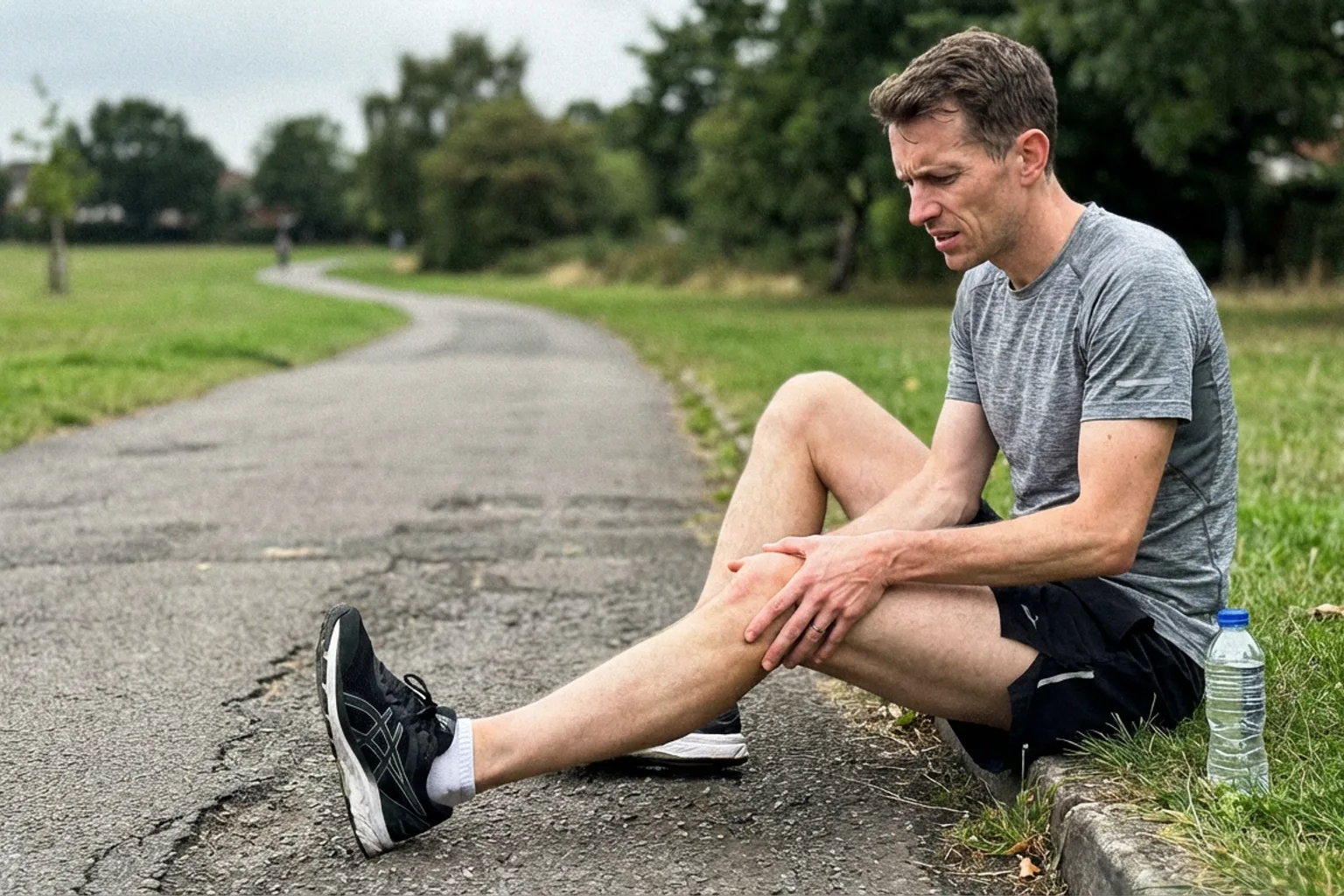
Your knee started hurting after a run. Maybe it came on gradually, maybe it hit you like a wall at mile three. Either way, you're now wondering whether to push through, rest completely, or quietly panic. I want to help you do none of those things.
Knee pain after running is the single most common complaint I hear from runners, whether they're brand new to the sport or training for their tenth marathon. In my 20+ years of coaching, knee issues account for more questions in my inbox than every other injury combined. The good news is that most cases respond really well to the right approach. The key word there is "right."
Quick answer: Knee pain after running is most commonly caused by runner's knee (patellofemoral pain syndrome), IT band syndrome, patellar tendinopathy, or bursitis. Most cases improve within 2 to 6 weeks with load management, targeted strengthening, and minor gait adjustments. Severe, sudden, or swollen knee pain needs a physiotherapist's assessment.
This guide covers everything: what's causing your pain, how to fix it, when to see someone, and how to stop it coming back. Use the section headings to jump straight to what's most relevant to you.
Is Running Actually Bad for Your Knees?
Before we get into causes and fixes, let's clear something up. You've probably heard someone say "running will ruin your knees." It's one of the most persistent myths in sport, and the research simply doesn't support it.
A 2023 round-up of 17 studies in the Orthopaedic Journal of Sports Medicine concluded that running may actually be protective against generalised knee pain. Other research consistently shows that recreational runners have lower rates of knee osteoarthritis than sedentary people. Running loads the knee, yes. But that load, applied progressively, makes the joint stronger and healthier over time.
So if your knees hurt after running, the problem usually isn't running itself. It's something about how you're running, how much you're doing, or what your body needs to handle that load better. That's a much more solvable problem.
I've written more about this if you want to dig deeper: why running slowly can actually be harder on your knees than you might think.
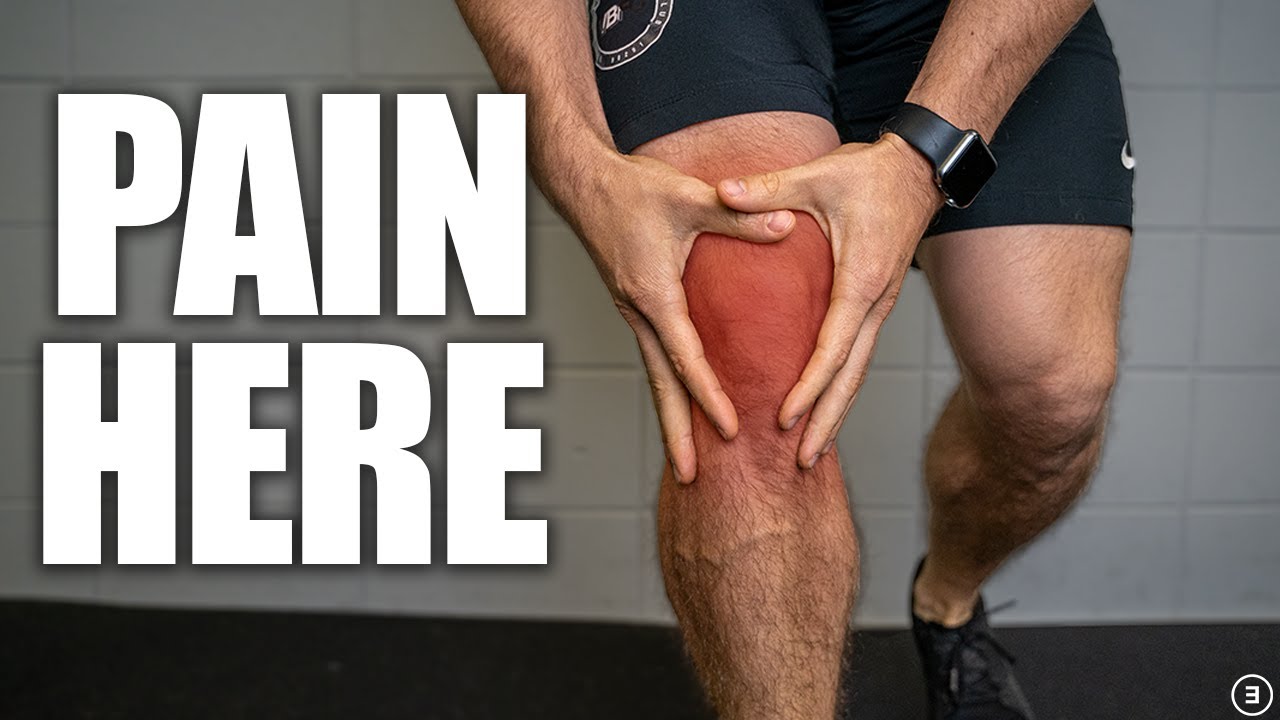
Basic Knee Anatomy: Why the Knee Is So Vulnerable
You don't need a biology degree here. But a quick look at how the knee works makes it much easier to understand why certain injuries happen.
Your knee has two main joints. The tibiofemoral joint connects your thigh bone (femur) to your shin bone (tibia). The patellofemoral joint connects your kneecap (patella) to the femur. Ligaments hold these joints together, cartilage pads called menisci cushion them, and the muscles of your thigh and hip move them.
Here's the key thing: the knee is a hinge joint sitting between two highly mobile joints, the hip above and the ankle below. When either of those doesn't move well, the knee absorbs the difference. That's why so many running knee injuries actually trace back to the hip or the foot, not the knee itself.
Understanding this changes how you approach treatment. Fix the source, not just the symptom.
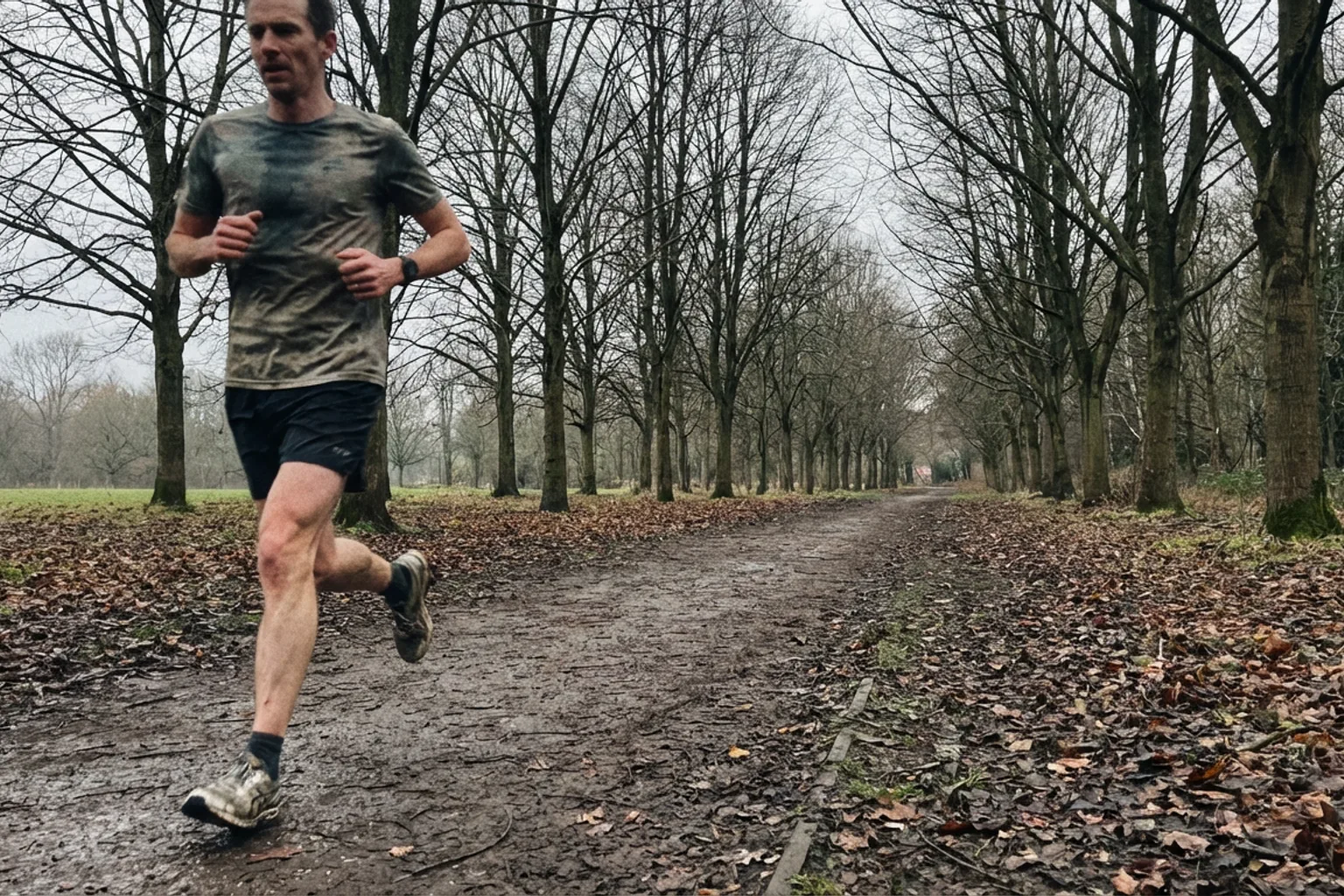
Knee Pain After Running: Where Does It Hurt?
Location matters a lot here. Different parts of the knee point to different problems. Before you can fix it, you need to identify it. Here's a quick map:
- Front of the knee / around the kneecap: Runner's knee (patellofemoral pain syndrome)
- Outside of the knee: IT band syndrome (ITBS)
- Just below the kneecap: Patellar tendinopathy (jumper's knee)
- Inside of the knee: Medial knee pain, often bursitis or medial meniscus irritation
- Back of the knee: Hamstring tendon issues or a Baker's cyst
- All over / deep inside: Meniscus irritation or, less commonly, early-stage osteoarthritis
Use this as a starting point. I'll go through each of the most common conditions in detail below. If you're still not sure what you're dealing with, this guide to working out if it's runner's knee or something else is a good place to start.
The 6 Most Common Causes of Knee Pain After Running
1. Runner's Knee (Patellofemoral Pain Syndrome)
Where it hurts: Around or behind the kneecap. Often a dull, aching pain that worsens going downstairs, squatting, or sitting for long periods (the "cinema sign").
What's happening: The kneecap (patella) isn't tracking smoothly in its groove on the thighbone. This creates friction and irritation on the cartilage underneath. It's the most common running knee injury I see, especially in runners who've recently increased their mileage. Some people also hear this called chondromalacia patella, which refers specifically to softening of the cartilage under the kneecap. If that sounds familiar, this guide to running with chondromalacia patella covers it in more detail.
What causes it: Weak glutes and hip stabilisers are the main culprit in most cases I work with. When the hip can't control the femur well, the kneecap gets pulled off-track. Overpronation, tight quads, and overstriding can all contribute too. I've seen this pattern hundreds of times, and the fix is almost always the same: strengthen the hips, manage the load, adjust the gait.
I've put together a lot of detailed content on this one because it's so prevalent. Start with what causes runner's knee, then look at what patellofemoral pain syndrome actually feels like to confirm whether this matches your symptoms.
How to fix it:
- Reduce your weekly mileage by 30 to 50% temporarily
- Strengthen your glutes and hip abductors (clamshells, side-lying leg raises, single-leg squats)
- Strengthen your VMO (the inner quad muscle) with terminal knee extensions and step-downs
- Try kinesiology taping for runner's knee to offload the kneecap during exercise
- Avoid running downhill until symptoms settle
- Check whether cortisone injections for runner's knee are appropriate if symptoms are persistent
Should you use a knee brace? A patellofemoral brace or patellar tracking sleeve can help offload the kneecap during the early stages of rehab. I wouldn't rely on one long-term, but as a short-term tool while you build strength, it's a reasonable option. Look for a sleeve with a patellar cutout rather than a simple compression sleeve.
Timeline: Mild cases often improve within 2 to 3 weeks. More established cases can take 6 to 12 weeks. I know that feels like a long time, but rushing this one almost always sets you back further. Check out how long runner's knee recovery really takes for a realistic picture.
2. IT Band Syndrome
Where it hurts: The outside of the knee. Sharp, stabbing pain that often comes on at a predictable point in your run (usually around the 20 to 30 minute mark) and forces you to stop.
What's happening: The iliotibial band is a thick strip of connective tissue running from your hip down to just below the outside of your knee. When it's under too much tension, the area where it passes over the lateral femoral condyle (a bony bump on the outside of your knee) becomes irritated and inflamed. The pain is often so sharp that runners describe it as a sudden stabbing sensation that appears from nowhere mid-run.
What causes it: Weak hip abductors and glutes are a major factor. So is a crossover gait pattern, where your feet land too close to the midline of your body. This narrows your base of support and forces the IT band to work harder on every stride. Sudden mileage increases and lots of downhill running are also common triggers. I see a lot of IT band syndrome flare-ups in runners who've just started doing longer weekend long runs.
How to fix it:
- Cut back your running volume and avoid downhill running short-term
- Strengthen your glutes and hip abductors consistently with these four essential glute exercises for runners
- Work on widening your step width slightly to reduce IT band tension (see IT band rehab: step width modification)
- foam rolling the TFL (at the top of the IT band, near your hip) can help with tension, but rolling directly on the band itself is less effective
- Check your stride width and running technique as this is often a key piece of the puzzle
- If you're unsure whether to keep running, read can you run with IT band syndrome first
- For a full treatment plan, my guide to treating IT band syndrome goes into detail on every stage
Timeline: Expect 4 to 8 weeks with consistent rehab. IT band syndrome that's been ignored for months can take longer. The sooner you address it, the quicker you'll be back.
3. Patellar Tendinopathy (Jumper's Knee)
Where it hurts: Just below the kneecap, at the top of the patellar tendon. Pain is often sharp at the start of a run, may ease mid-run, then returns afterwards.
What's happening: The patellar tendon connects your kneecap to your shinbone and takes enormous load every time you push off. Repetitive stress without adequate recovery causes the tendon fibres to degrade. This is a tendinopathy, not simple inflammation, which means the treatment approach is different from what most people expect. You can read more about the best approach in my guide to patellar tendinitis treatment and what runners need to know about patellar tendinopathy.
What causes it: Too much load, too fast. Runners who do a lot of speed work, hill sprints, or who've recently ramped up their mileage are most at risk. Weak quads and poor landing mechanics contribute too.
How to fix it:
- Start with isometric loading for pain relief: wall sits held for 30 to 45 seconds, repeated 4 to 5 times. Research shows isometric exercises reduce tendon pain quickly and can be done daily
- Progress to heavy slow resistance: leg press and step-down exercises, 3 sets of 15 reps, 3 times per week
- Reduce high-impact loading short-term, but don't rest completely as tendons need load to heal
- Avoid deep stretching of the tendon (deep squats, lunges) in the early stages
- Build quad strength progressively over 8 to 12 weeks
Timeline: Patellar tendinopathy is notoriously stubborn. Allow 8 to 12 weeks minimum, sometimes longer. The key is progressive loading, not rest alone. Patience here pays off.
4. Knee Bursitis
Where it hurts: The inner side of the knee (pes anserine bursitis) or directly over the kneecap (prepatellar bursitis). Often swollen and tender to touch.
What's happening: Bursae are small fluid-filled sacs that cushion the knee joint. Repetitive friction or direct pressure can inflame them. Pes anserine bursitis, on the inner knee, is the type I see most often in runners, particularly those with tight hamstrings or overpronation.
How to fix it:
- Rest from running until acute swelling settles (usually 5 to 10 days)
- Ice the area for 15 to 20 minutes, several times a day
- Anti-inflammatory medication can help in the short term (speak to your GP or pharmacist)
- Address hamstring tightness with regular stretching, using these stretches for runners as a starting point
- Look at your footwear and consider whether overpronation is a factor
Timeline: Mild bursitis often settles within 2 to 4 weeks. If it persists or the knee is very swollen, see a physiotherapist.
5. Meniscus Irritation
Where it hurts: Deep inside the knee, sometimes with a catching or locking sensation. Pain can be on either the inner or outer side of the joint line.
What's happening: The menisci are two C-shaped cartilage pads that act as shock absorbers inside the knee. Acute tears usually happen with a twisting injury, but in runners, gradual degenerative irritation is more common, especially in older runners.
Important: If you feel a locking, catching, or giving-way sensation in your knee, or if it swells significantly after running, see a physiotherapist or sports doctor. Don't try to run through this one without a proper assessment.
6. Knee Osteoarthritis
Where it hurts: Often diffuse, with stiffness after rest that loosens up with movement. More common in runners over 45, particularly those with a history of knee injuries.
What's happening: The cartilage inside the knee joint gradually wears down. But here's something important: as I mentioned earlier, running itself doesn't cause osteoarthritis in healthy joints. If you've been diagnosed with early-stage OA and you're worried about continuing to run, read my guide to running with knee osteoarthritis before you make any decisions.
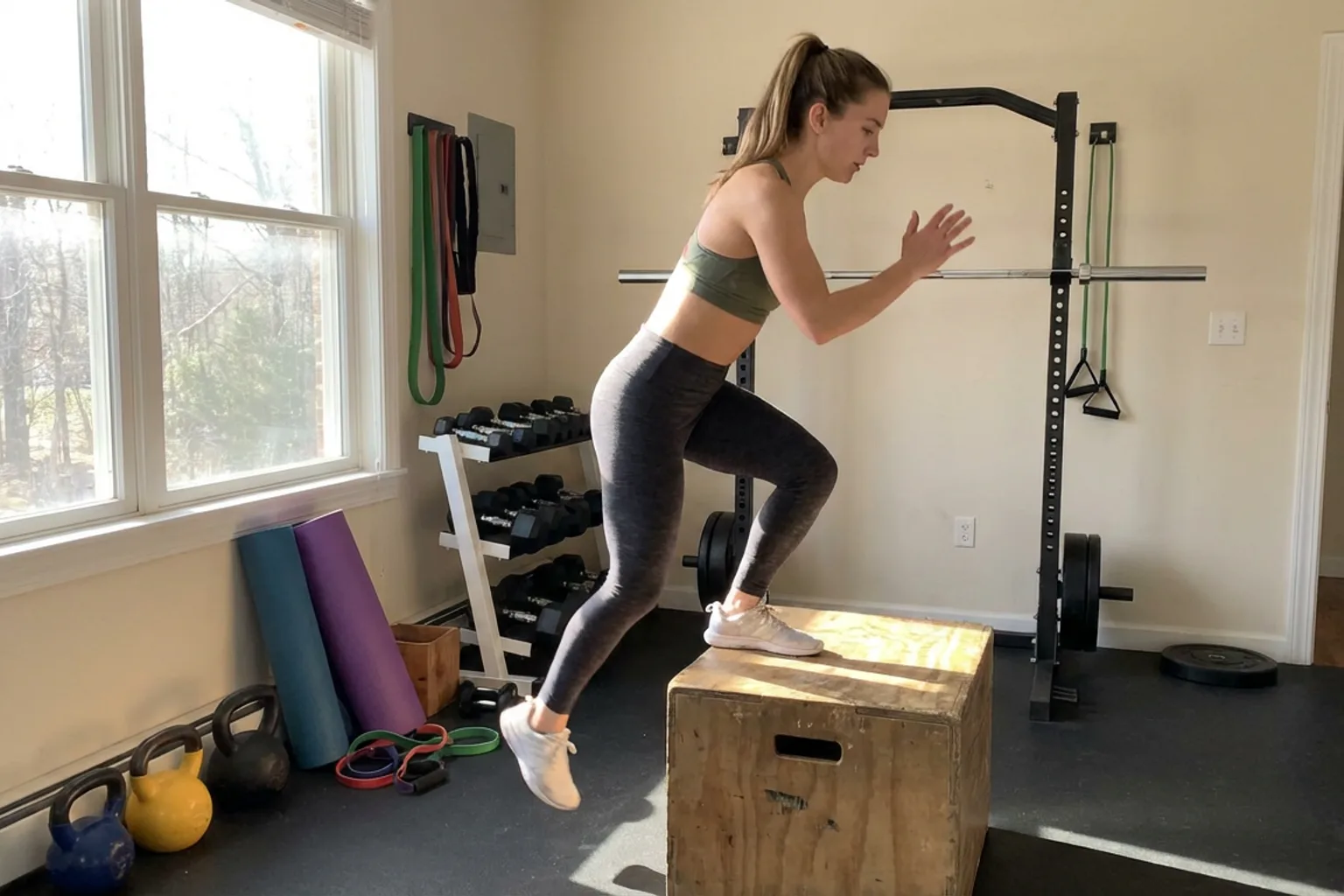
4 Training Mistakes That Cause Knee Pain After Running
Here's the thing: in most cases of knee pain I see, the injury is a symptom of a training error rather than a structural problem. Fix the error, fix the knee. These are the four mistakes I see most often.
Mistake 1: Too Much, Too Soon
Your cardiovascular fitness improves faster than your tendons, cartilage, and ligaments. So you feel fit enough to run more, but your connective tissues aren't ready. Research shows around 80% of running injuries are overuse-based. The 10% rule (don't increase weekly mileage by more than 10% per week) is a useful rough guide, though some runners need to be even more conservative.
I see this most often in spring, when runners who've had a quiet winter suddenly start building big mileage for a summer race. The knees are usually the first thing to complain.
Mistake 2: Weak Supporting Muscles
Weak glutes and hip stabilisers are behind a huge proportion of the knee pain cases I work with. When your hips can't control the movement of your femur, your knee pays the price. Strength training for runners isn't optional if you want healthy knees. I'd go as far as saying it's the single most important thing most recreational runners aren't doing.
Two exercises I always start with: hamstring strengthening exercises for running knee pain and glute work. The research on stronger glutes reducing knee injury risk is compelling. If you're not sure how to actually engage your glutes while running, this guide on how to use your glutes when running is worth reading. You can find a full framework in my strength training guide for distance runners.
Mistake 3: Poor Running Form
Overstriding (landing with your foot too far in front of your body), crossover gait, and excessive hip drop all place extra stress on the knee. Small changes to your running form can make a significant difference. Hip drop in running gait is a particularly common issue worth looking at.
Increasing your running cadence by 5 to 10% is one of the most evidence-backed gait changes for reducing knee load. It naturally shortens your stride and reduces impact forces. Using a metronome to improve your running cadence is a simple, practical way to work on this.
Your foot strike also plays a role. Proper running foot strike and whether forefoot running is better for your knees are both worth understanding if you're dealing with recurring knee pain.
Mistake 4: Wrong or Worn-Out Footwear
I'm not going to tell you that a specific type of shoe will fix your knees. The research on this is more nuanced than the running shoe industry would have you believe. But worn-out shoes that have lost their cushioning, or shoes that are fundamentally wrong for your foot mechanics, can contribute to knee problems.
If your shoes have more than 500 miles on them, it's probably time for a new pair. And if overpronation seems to be a factor, orthotics for runner's knee may be worth considering, though I'd always recommend a physio assessment before investing in custom insoles.
Can I Run With Knee Pain After Running?
This is the question I get asked more than almost any other. And the honest answer is: it depends.
Here's the framework I use with my athletes. Think of pain on a scale of 0 to 10.
- 0 to 3 out of 10: Mild discomfort. You can usually continue running at reduced volume and intensity, provided the pain doesn't worsen during or after the run.
- 4 to 6 out of 10: Moderate pain. Back off. Swap running for low-impact cross-training (swimming, cycling, pool running) while you address the cause.
- 7 out of 10 or higher: Stop running. See a physiotherapist. Don't try to push through this.
The other rule I use: if your pain increases as a run progresses, stop. Pain that stays flat or slightly reduces as you warm up is more manageable than pain that builds with every mile.
Running through significant knee pain doesn't make you tough. It makes recovery longer. I've seen runners turn a 3-week problem into a 3-month one by ignoring this. Trust me on that one.
Knee Pain After Running: Immediate Relief Steps
So your knee hurts right now. Here's what to do today:
- Stop running for the rest of the day. This isn't forever. It's just giving the irritated tissue a chance to calm down.
- Apply ice. 15 to 20 minutes on, at least 40 minutes off. Repeat 3 to 4 times today. Wrap the ice in a cloth, don't apply it directly to skin.
- Elevate your leg if there's any swelling. Lying down with your leg raised above your heart helps reduce fluid accumulation.
- Take an anti-inflammatory if appropriate. Ibuprofen can help manage acute pain and swelling. Check with your pharmacist or GP first, especially if you have any contraindications.
- Gentle movement is fine. Walking, cycling on a stationary bike, or swimming won't make most knee injuries worse and will keep blood flowing to the area.
- Assess the pain honestly. Mild aching (2 to 4 out of 10) after a run is manageable. Sharp pain, significant swelling, or pain that stops you walking normally means you need professional assessment.
When to See a Physiotherapist for Knee Pain
Most knee pain after running doesn't need a doctor or physio immediately. But some situations do. See a physiotherapist or sports doctor if:
- Your knee is significantly swollen or feels hot to the touch
- You have a locking, clicking, or giving-way sensation
- Pain is severe (7 out of 10 or higher) or stops you walking normally
- Symptoms haven't improved after 2 to 3 weeks of sensible self-management
- You've had a fall or direct impact to the knee
- Pain wakes you up at night
- You're returning from a previous knee injury that isn't responding as expected
There's no medal for suffering through something that needs proper assessment. A good physio will get you back running faster than guessing and hoping.
The Rehab Approach: How to Get Back to Running After Knee Pain
Once the acute phase has settled (usually 3 to 7 days), the focus shifts from pain management to rehabilitation. Here's the framework I use with my athletes.
Phase 1: Load Management (Week 1 to 2)
Reduce your running volume significantly. For most knee injuries, cutting back to 50 to 60% of your normal mileage is a sensible starting point. Avoid the specific triggers (downhill running, speed work, long runs) that aggravate your pain. Keep moving with low-impact cross-training. If you're not sure how to stay fit while injured, aqua jogging is one of the best options for maintaining fitness without loading the knee.
Phase 2: Strengthening (Week 2 to 6)
This is where the real work happens. Targeted strengthening of the glutes, hip stabilisers, and quads is the foundation of almost every running knee rehab programme. I've put together a 10-minute runner's knee rehab routine that covers the key exercises. Work through it 3 times per week.
Key exercises to include:
- Single-leg glute bridges
- Clamshells with a resistance band
- Step-downs (eccentric loading of the quad)
- Side-lying hip abduction
- Functional VMO strengthening for kneecap tracking
- Single-leg calf raises (important for overall lower limb load absorption)
- Single-leg deadlifts for glute and hamstring strength
- Wall sits for isometric quad loading, especially useful for patellar tendinopathy
Phase 3: Return to Running (Week 4 to 8+)
Don't just jump back in where you left off. Use a structured return-to-running approach. Start with run-walk intervals and build up gradually over 2 to 4 weeks. Your benchmark for progression is simple: if your pain stays at 3 out of 10 or below during and after running, you can progress. If it spikes above that, back off.
Here's a simple return-to-running progression you can follow:
| Week | Session Structure | Total Duration | Pain Threshold to Progress |
|---|---|---|---|
| Week 1 | 1 min run / 2 min walk | 20 minutes | 3/10 or below |
| Week 2 | 2 min run / 1 min walk | 24 minutes | 3/10 or below |
| Week 3 | 5 min run / 1 min walk | 30 minutes | 3/10 or below |
| Week 4 | Continuous easy running | 20 to 25 minutes | 3/10 or below |
| Week 5+ | Gradual mileage build (10% per week) | Build from base | 3/10 or below |
I've written a detailed guide on how to return to running after injury that walks you through this process step by step. And if you've had a long time off, how to start running after a long break will help you rebuild sensibly.
Running Form Changes That Reduce Knee Pain
This is an area where I think most running injury articles fall short. Strength work is essential, but if you go back to the same gait pattern that caused the problem, you'll be back in my inbox within a few months.
Here are the form adjustments with the strongest evidence for reducing knee load:
Increase Your Cadence
Running at a higher cadence (more steps per minute) naturally reduces your stride length, brings your foot closer to under your body, and reduces the impact forces travelling through your knee. Aim for 170 to 180 steps per minute. If you're currently at 155 to 160, don't jump straight to 180. Increase gradually by 5% over several weeks. Using a metronome to improve your running cadence is a simple, practical way to work on this.
Reduce Your Crossover Gait
Many runners land with their feet crossing the midline of their body. This increases the stress on the IT band and the kneecap. Think about landing with your feet slightly wider, roughly hip-width apart. It feels strange at first, but the difference in knee load can be significant. How to correct a crossover running gait goes into this in detail. You can also try the stride width exercises I use with athletes to reinforce the new pattern.
Lean Forward Slightly
A slight forward lean from the ankles (not the waist) encourages a more efficient stride and reduces the braking force on your knees. This is subtle. We're talking about a few degrees, not a dramatic change. Think "tall but tilted" rather than hunched forward.
Soften Your Landing
Try to land more quietly. If you can hear yourself running from a distance, you're probably hitting the ground harder than you need to. Aim for lighter, quicker foot strikes. This simple cue can reduce knee impact forces meaningfully. For a deeper look at this, running gait re-education in the rehab of patellofemoral pain covers the evidence really well.
Address Hip Drop
If your pelvis drops to one side with each stride (called contralateral pelvic drop or Trendelenburg gait), it dramatically increases the load on your knee. This is usually a sign of weak glute medius muscles. Hip drop in running gait explains exactly what to look for and how to fix it.
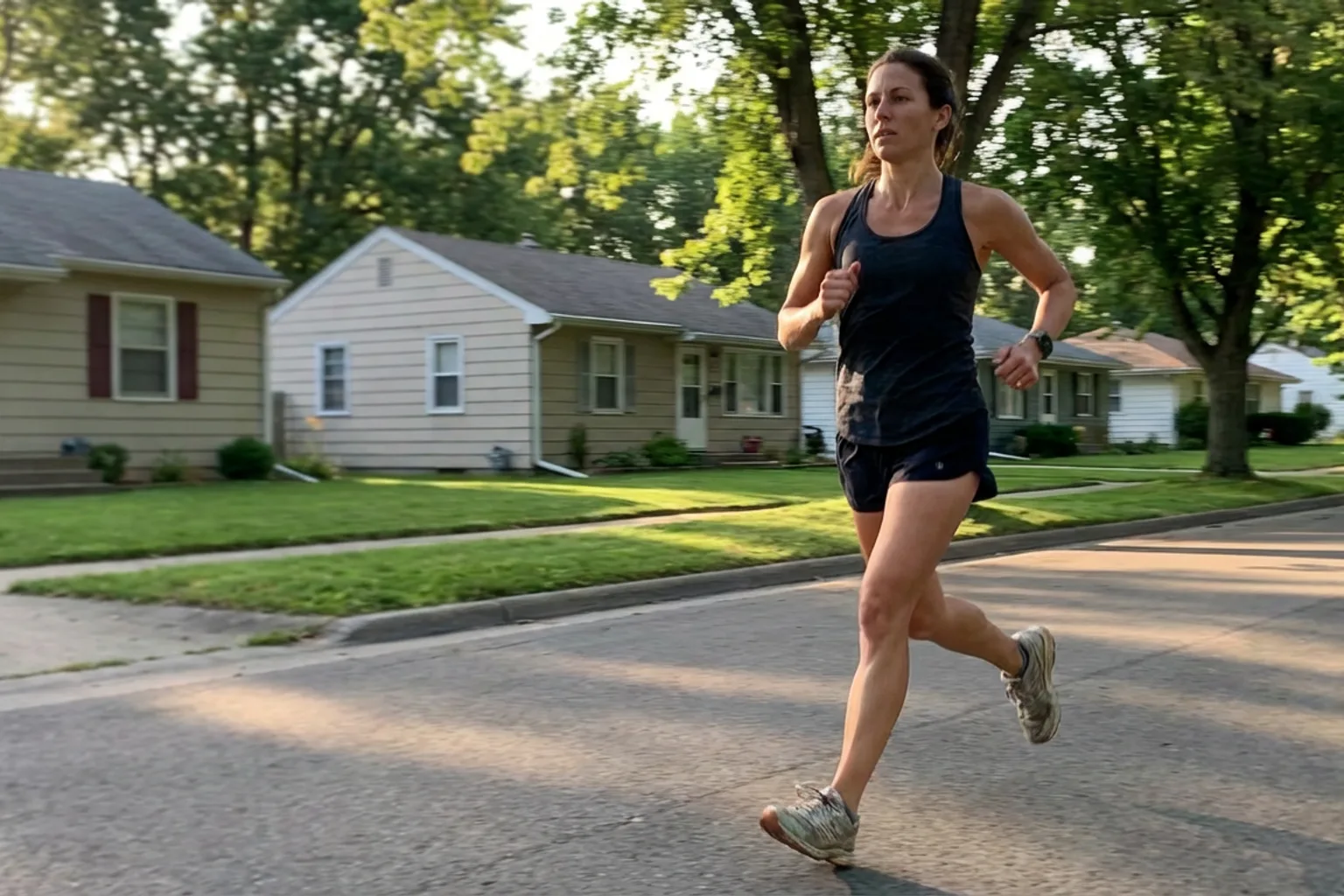
How to Prevent knee pain when running
Once you're back running pain-free, let's keep it that way. These are the prevention strategies I recommend to every runner I work with.
Build Mileage Gradually
The 10% rule is a good starting point, but listen to your body too. If your knees are niggling, hold your mileage steady for another week before building again. My guide on how to run longer without getting tired covers the progressive build approach in detail.
Strength Train Consistently
Two sessions per week of targeted strength work is enough to make a real difference. Focus on glutes, hip stabilisers, quads, and hamstrings. My top tips for preventing knee pain when running includes a solid framework for this. The 10-minute glute activation and stability workout is a great place to start if you're short on time. And make sure you're doing it often enough: here's how often runners should actually do strength work.
Warm Up Properly
Don't just step out the door and start running at pace. Five minutes of dynamic movement (leg swings, hip circles, walking lunges, high knees) prepares your joints and muscles for the load ahead. My five-minute running warm-up routine gives you a ready-to-use structure.
Stretch and Cool Down
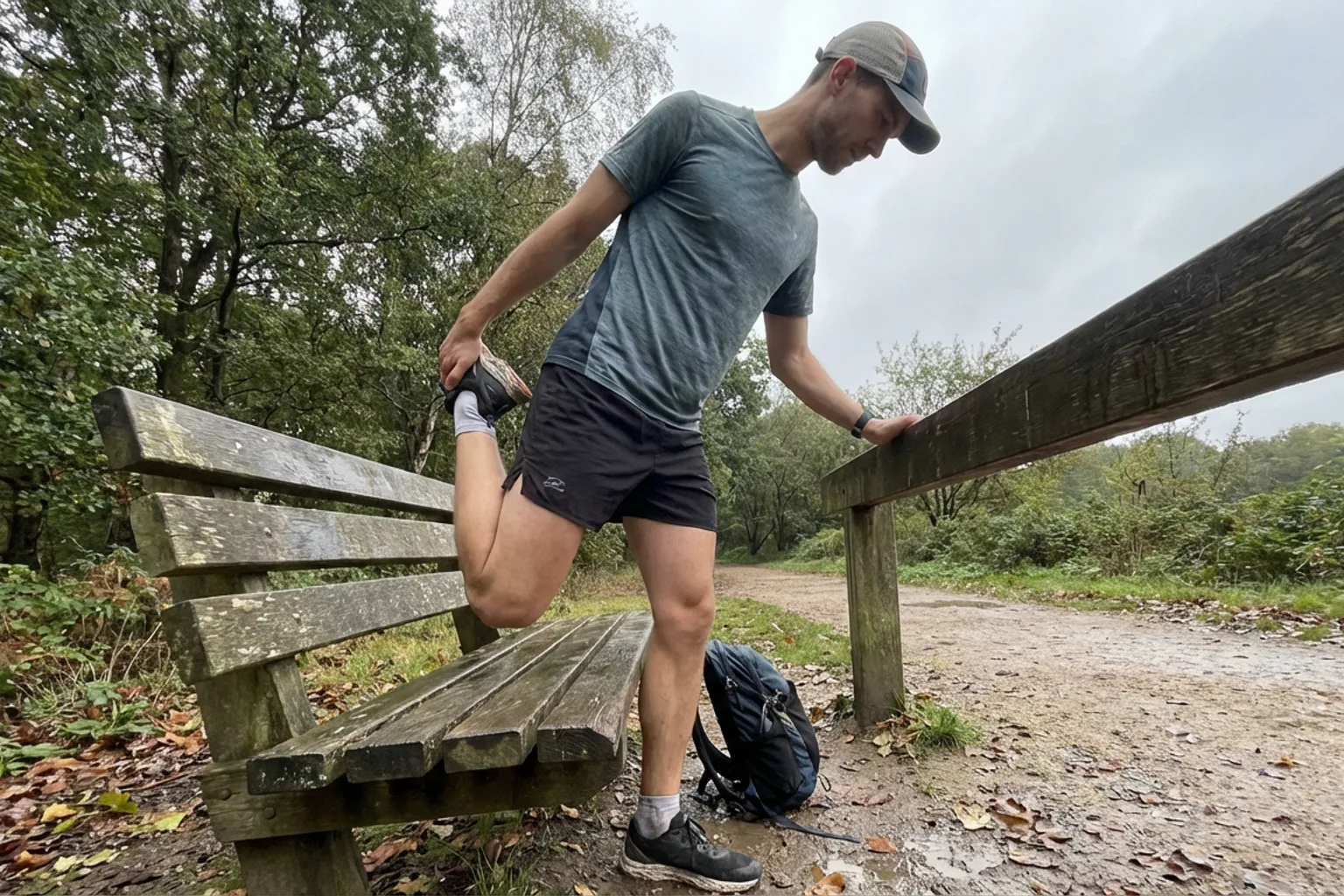
Post-run stretching won't cure an injury, but it helps maintain the tissue flexibility that keeps your knee tracking well. How to stretch after running gives you a practical routine to follow.
Vary Your Running Surfaces
Running on the same surface every day means the same stress patterns on the same structures. Mix in some trail running, grass, or softer paths alongside your road running. Trail running is a genuinely underrated way to build resilience in the knees and ankles. The varied terrain forces your stabilising muscles to work harder, which pays dividends over time.
Don't Neglect Recovery
Sleep, nutrition, and easy days matter as much as the hard sessions. Chronically under-recovered runners are far more prone to overuse injuries. If every run feels like a hard effort, your body isn't getting the adaptation time it needs. Recovery isn't laziness. It's where the adaptation actually happens.
Knee Pain Prevention: Quick Checklist
- Increase weekly mileage by no more than 10% per week
- Do 2 strength sessions per week targeting glutes, quads, and hamstrings
- Warm up dynamically before every run
- Replace running shoes every 400 to 500 miles
- Mix up your running surfaces where possible
- Prioritise sleep and recovery between hard sessions
- Act early when you feel niggles, don't wait for them to become injuries
Knee Pain After Running: Frequently Asked Questions
Is it OK to keep running with knee pain?
It depends on the pain level. Mild discomfort of 2 to 3 out of 10 that doesn't worsen during or after running is generally manageable with reduced volume. Pain above 4 out of 10, or pain that increases as you run, means you should stop and assess. Running through significant knee pain almost always makes the underlying problem worse and extends recovery time.
Why does my knee hurt after running but not during?
This is very common, especially with patellofemoral pain and IT band syndrome. During running, adrenaline and increased blood flow can mask pain. Afterwards, as tissues cool and inflammation sets in, the pain emerges. If your knee consistently hurts after running but feels fine during, reduce your volume and start the strengthening work described above. It's a warning sign, not something to ignore.
How long does knee pain after running take to heal?
Mild cases often resolve in 2 to 4 weeks with proper management. More established injuries like IT band syndrome or patellar tendinopathy can take 8 to 12 weeks. The biggest factor in recovery time is how quickly you start appropriate rehab and how well you manage your training load during that period. Starting early always shortens the timeline.
Can weak glutes cause knee pain when running?
Yes, and this is one of the most common underlying causes I see. Weak glutes and hip abductors allow the femur to drop and rotate inward during the stance phase of running. This directly increases stress on the kneecap and IT band. Strengthening your glutes is one of the most effective things you can do for long-term knee health as a runner.
Should I use ice or heat on my knee after running?
In the acute phase (first 48 to 72 hours, or after a run that aggravates symptoms), ice is more appropriate. It helps reduce localised inflammation and numbs pain. Heat is better suited to warming up stiff tissues before exercise, not treating post-run pain. Apply ice for 15 to 20 minutes wrapped in a cloth, never directly on skin.
What is the fastest way to recover from runner's knee?
Start load management immediately: reduce mileage by 30 to 50%, cut out downhill running, and avoid speed work. Begin hip and glute strengthening within the first week. Use kinesiology tape to offload the kneecap during activity. Most runners see clear improvement within 2 to 3 weeks when they follow this approach consistently from the start.
Should I wear a knee brace for running knee pain?
A knee sleeve or patellofemoral brace can help offload the kneecap and reduce pain during the early stages of rehab. It's a useful short-term tool, not a long-term fix. If you rely on a brace without addressing the underlying weakness or gait issue, the pain will return. Use it as a bridge while you build strength, not as a substitute for doing the work.
My knee pain wakes me up at night. Should I be worried?
Night pain that wakes you up is a red flag. Most running-related knee injuries don't cause significant pain at rest or at night. If yours does, see a physiotherapist or sports doctor promptly. It may indicate a more serious issue that needs proper assessment rather than self-management.
The Bottom Line on Knee Pain After Running
Knee pain after running is frustrating, but it's rarely a reason to give up running. In almost every case I've worked with over the years, there's a clear reason why the knee is struggling: too much load too soon, not enough strength, a gait pattern that's placing excessive stress on the joint, or some combination of all three.
Address those root causes, manage your training load intelligently during recovery, and do the strengthening work consistently. That's the formula. It's not glamorous, but it works.
If you're dealing with knee pain after running right now, start with the immediate relief steps above, identify which condition most closely matches your symptoms, and begin the appropriate rehab. If you're not improving within 2 to 3 weeks of sensible self-management, book in with a physiotherapist. And while you're recovering, aqua jogging or low-impact cross-training will help you stay fit without setting yourself back.
You can get back to running. Most runners do. Let's make sure you're one of them.